

An International University in the Heart of Italy
Unicollege is an Italian degree-awarding university committed to advancing higher education through international engagement, interdisciplinary scholarship, and professionally relevant education. Accredited by the Italian Ministry of University and Research and operating within the European Higher Education Area, the University offers undergraduate, graduate, and joint doctoral programs that combine academic rigor with global perspectives.
From Mantua in the 1970s to today
Originally established in Mantua in the 1970s, Unicollege evolved from a specialized institution for language and intercultural studies into a comprehensive university. In 2003, it obtained accreditation from the Italian Ministry of University and Research as a degree-awarding institution, opening a new phase of academic development. The establishment of the Florence campus in 2018 and the Turin campus in 2021 further expanded the University's national presence and its capacity to serve an increasingly international academic community.
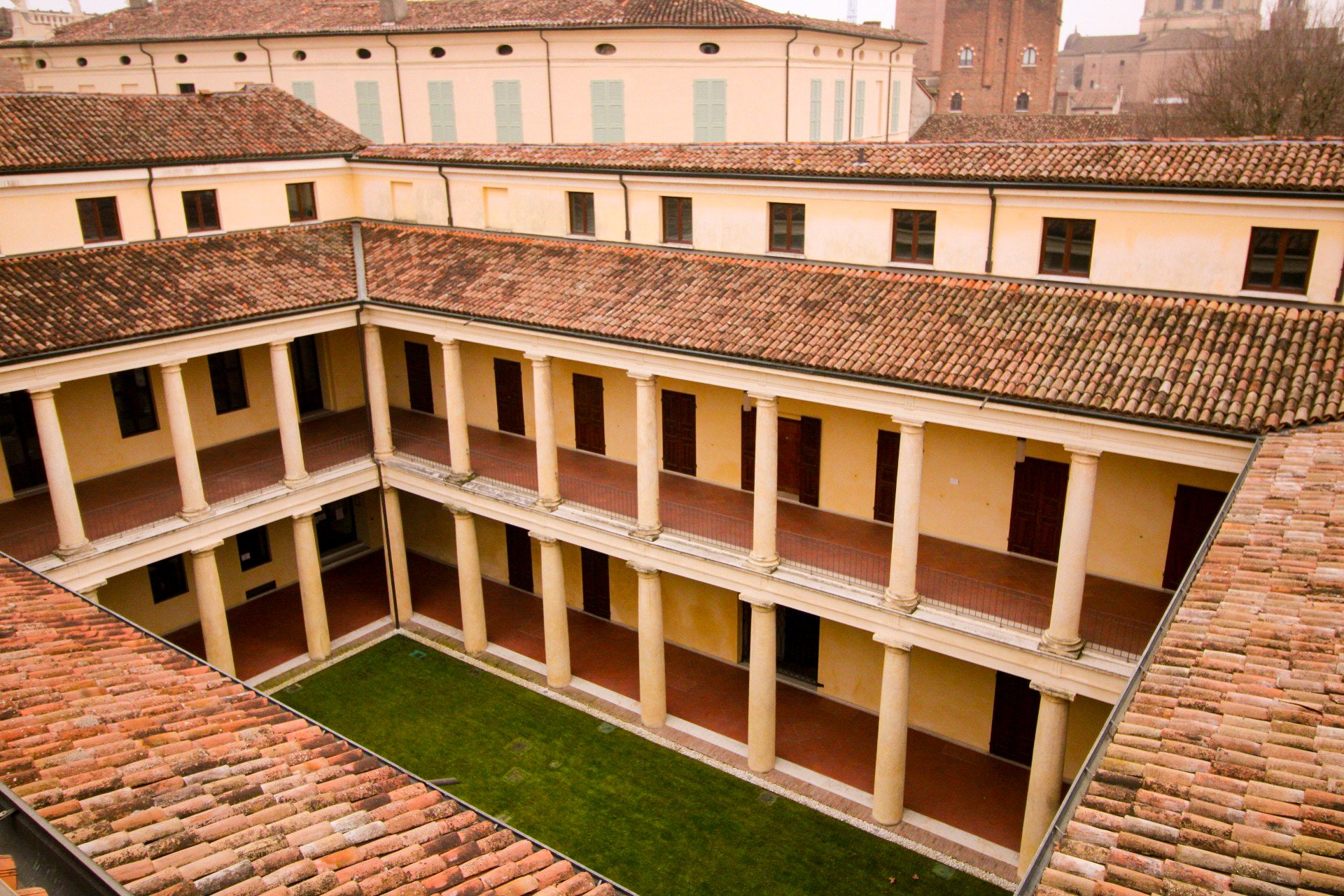
What we teach, and where
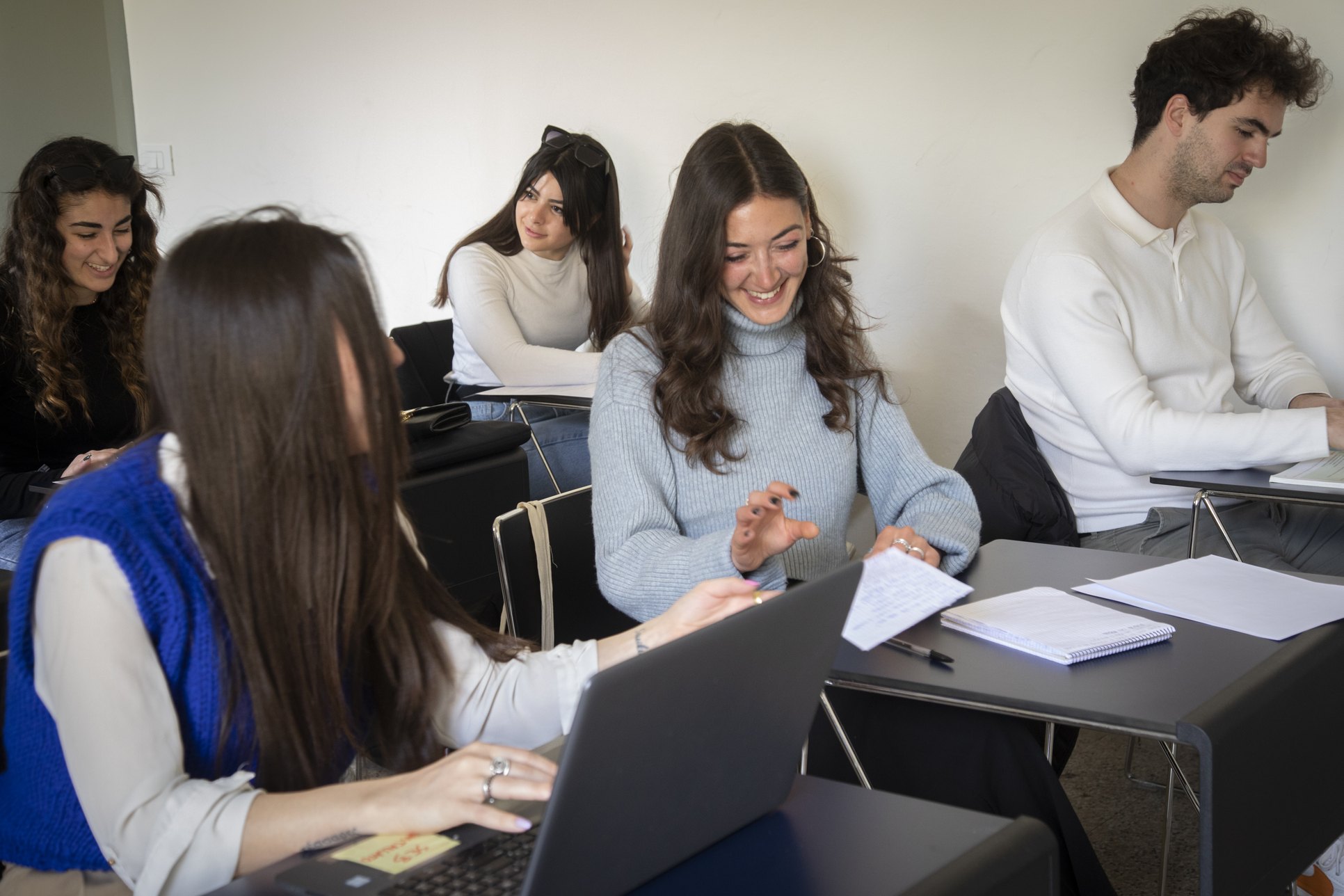
Today, Unicollege offers undergraduate, graduate, and doctoral programs across the humanities, business, social sciences, communication, diplomacy, applied languages, education, technology, and artificial intelligence. Undergraduate curricula for degree-seeking students combine the compulsory study of two foreign languages, selected from a portfolio of ten, with specialized disciplinary pathways including Forensic and Investigative Criminology, Cultural Heritage and Tourism Management, Fashion and Luxury Management, Marketing and Communications, Interpreting and Translation, and International Affairs and Diplomacy. This interdisciplinary approach extends to graduate education through master's and doctoral programs developed independently and in collaboration with international partner universities. English serves as the principal language of instruction across international programs, supporting a multilingual academic environment that brings together students, faculty, and staff from diverse cultural and educational backgrounds.
The 3As Learning Model

The University's academic philosophy is implemented through the 3As Learning Model: Acquire, Apply, Amplify, an institution-wide pedagogical framework designed to ensure coherence between curriculum design, learning outcomes, teaching methodologies, and assessment. Built upon the principles of constructive alignment, the model integrates theoretical instruction (Acquire), supervised academic application (Apply), and experiential learning within every program (Amplify). This framework ensures that academic progression extends from the acquisition of knowledge to its critical application and contextual engagement while maintaining consistency across programs and international partnerships.
Internationalisation is not an add-on
Internationalization represents a foundational dimension of Unicollege's institutional identity rather than a complementary activity. Unlike many study abroad models that rely upon intermediary organizations, the University develops its international initiatives exclusively through direct university-to-university partnerships, preserving academic integrity, institutional accountability, and curricular alignment throughout the mobility experience. This peer-to-peer model enables partner universities to collaborate directly in the design and governance of semester and year-abroad programs, faculty-led initiatives, internships, Collaborative Online International Learning (COIL), Italian language and culture programs, and customized academic pathways. As a degree-awarding university, Unicollege is uniquely positioned to extend institutional financial provisions to visiting students, including its Title IV Continuity Scholarship, enabling eligible students from partner universities to maintain continuity of U.S. federal financial aid while studying in Italy. Reciprocal agreements further provide complimentary participation for accompanying faculty in faculty-led programs, reinforcing the continuous circulation of students, academics, and institutional expertise while restoring study abroad to its primary academic purpose: sustained collaboration between universities. Through a network of more than ninety partner institutions across over forty countries and four continents, Unicollege has established an international ecosystem founded upon reciprocity, academic quality, accessibility, and long-term institutional cooperation.
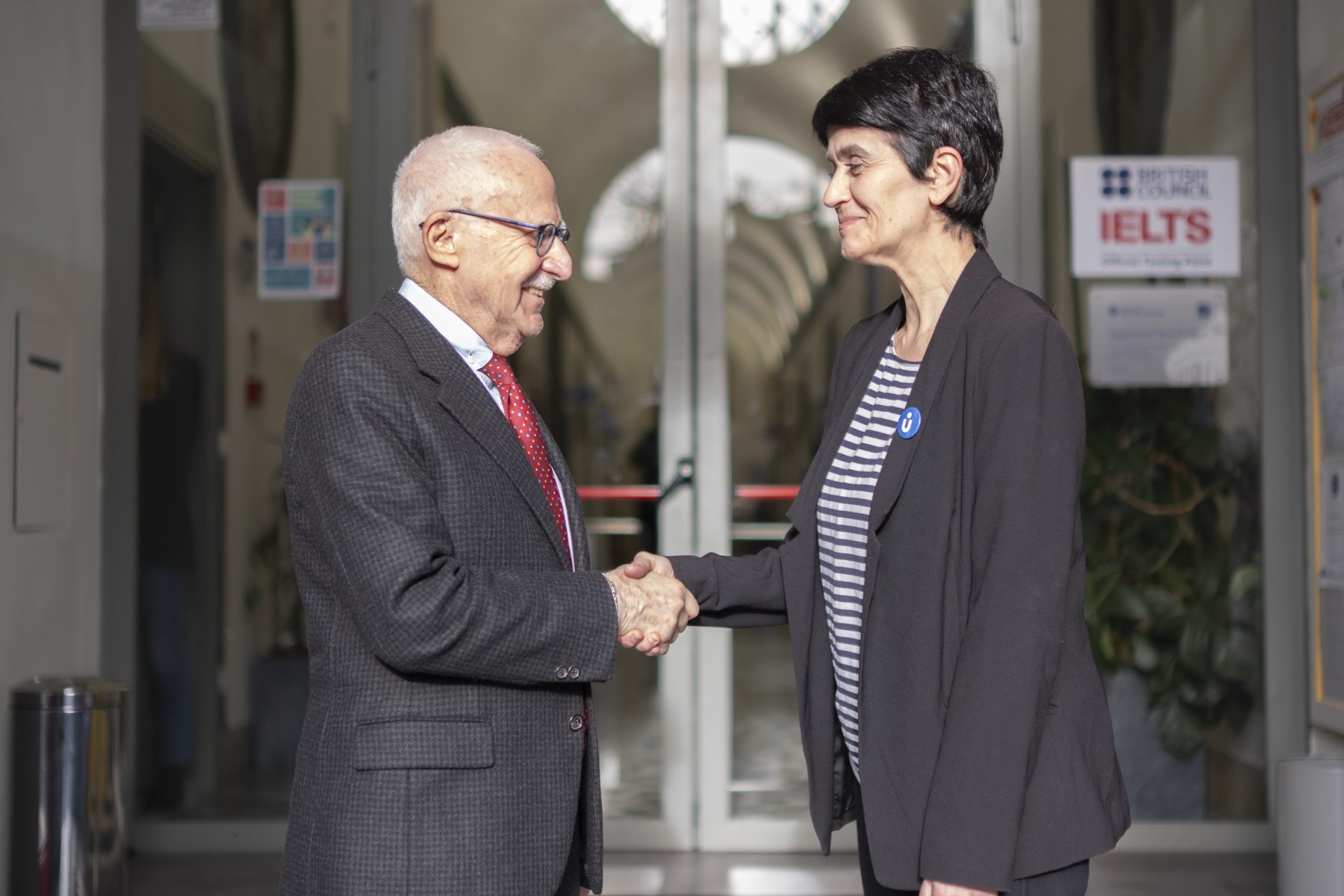
The academic community
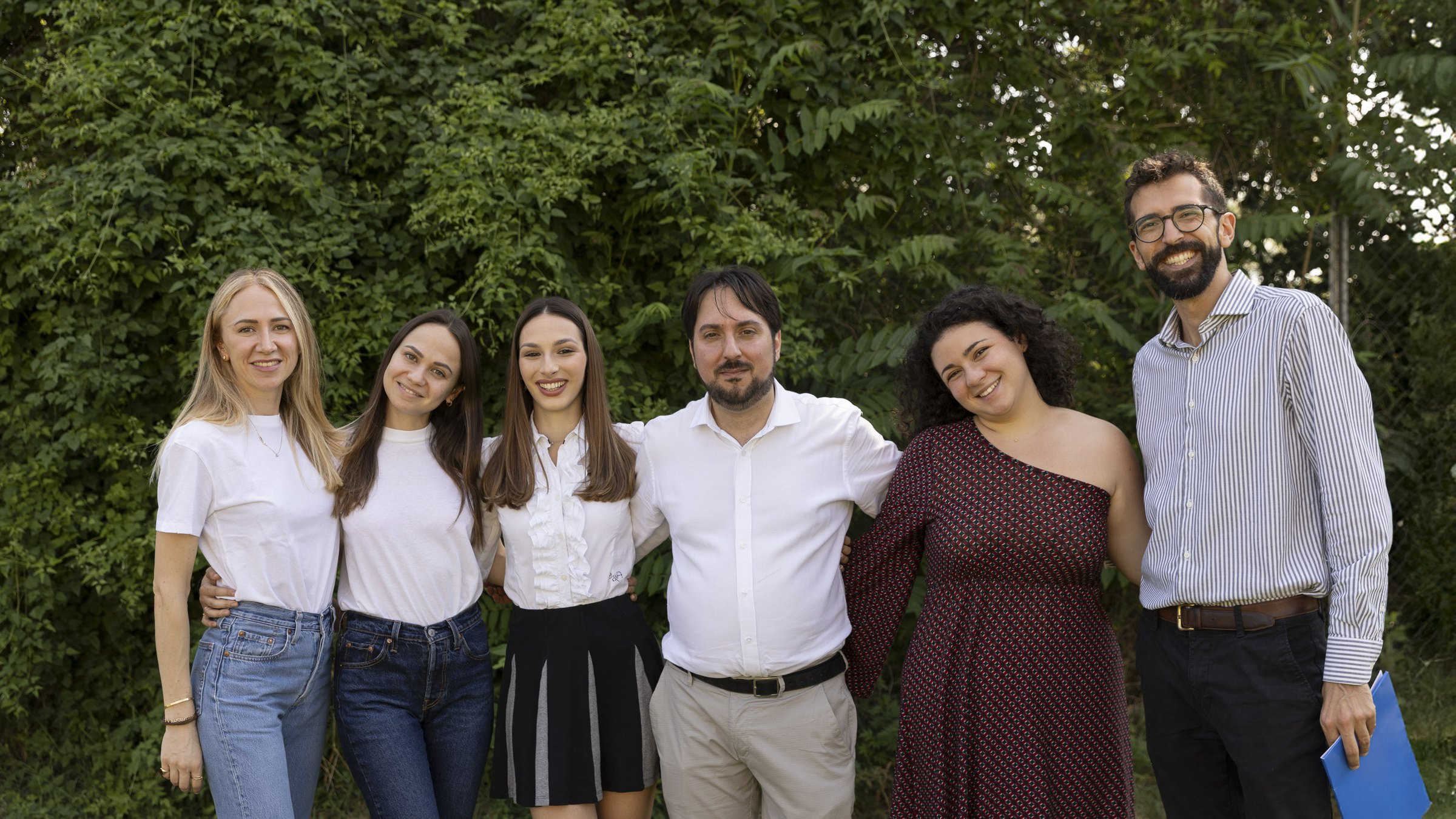
At the heart of Unicollege is its academic community, composed of students, faculty, staff, alumni, and international partners who actively contribute to shaping its identity and mission. Its faculty includes scholars affiliated with leading global institutions such as Harvard University, Leiden University, the University of Strasbourg, Sapienza University of Rome, the University of Hamburg, and the Federal University of Rio de Janeiro.
Where we take part
Through active participation in international organizations such as NAFSA and The Forum on Education Abroad, Unicollege continues to contribute to the advancement of international higher education while strengthening institutional quality, academic innovation, and global engagement. Today, Unicollege stands as an internationally connected university dedicated to fostering academic excellence, intercultural competence, and meaningful collaboration across the global higher education community.