

Student Life at Unicollege
From application to graduation. From departure to return home.
University support should not begin when something goes wrong. At Unicollege, it begins with the first enquiry. Students, families, visiting faculty, staff, and partner universities have access to an integrated support structure covering academic life, mobility, accessibility, wellbeing, financial access, accommodation, professional development, and everyday life in Italy. For enrolled students, this accompanies the complete journey from application and orientation through graduation and postgraduate transition. For international participants, it begins before departure and continues through arrival, study, residence formalities, academic recognition, transcript issuance, and return to the home institution.
This page is the first point of orientation. Each area below leads to a dedicated service, office, or policy page with detailed procedures, contacts, and resources. The model reflects the student-centered principles of the European Higher Education Area, whose quality framework places student support and responsiveness to diverse learning needs within institutional quality assurance, as well as the Bologna Process commitment to an increasingly inclusive social dimension of higher education.
One Office Across the Student Journey
A continuous point of reference

From application to graduation, students have an institutional point of reference to help them understand where to go, what to do next, and which University service is responsible. Support begins with enrollment and academic orientation and continues through course planning, examinations, tutoring, administrative requirements, internships, international mobility, dissertation preparation, graduation, career development, and postgraduate transition. The principle is deliberately simple: students should not need to understand the University's organizational chart in order to receive help. The first office contacted assumes responsibility for directing the request to the appropriate academic, administrative, professional, or specialist service.
International Students: From Application to Return Home
One international journey, supported end to end

International Student Services begins before a student reaches Italy. Support includes application and course-selection guidance, pre-departure orientation, visa documentation, accommodation planning, arrival coordination, and guidance concerning the Italian residence permit, fiscal code, healthcare, insurance, transportation, and other practical requirements.
Once in Italy, international students have access to an on-campus front desk, English-speaking staff and faculty, academic mentoring, language and cultural support, housing assistance, wellbeing services, and integration with Italian and international students. Support does not end with the final examination. Unicollege coordinates the completion of academic records, official transcript issuance, credit documentation, communication with the home institution where required, departure procedures, and the transition back home. This before-during-after approach closely reflects the Erasmus Student Charter, which treats guidance before mobility, equal access during mobility, mentoring, recognition, and continued support as components of a complete international experience.
Academic Advising, Tutoring & Mentoring
Support that develops academic independence

Academic support combines one-to-one tutoring, faculty mentoring, study planning, examination preparation, language assistance, research guidance, and postgraduate mentoring. Rather than treating support as remedial, Unicollege approaches advising as part of academic development. Students may seek assistance when they are experiencing difficulty, but equally when they wish to strengthen a skill, prepare for an international experience, undertake research, plan an internship, or make decisions about graduate education. This approach reflects the student-centered learning principles of the European Higher Education Area, which emphasize different student needs, appropriate guidance, academic autonomy, and an institutional environment capable of supporting students throughout their studies.
Disability, Accessibility & Neurodiversity
From accommodation to participation

Unicollege approaches disability through a contemporary, rights-based understanding of access. The emphasis is not on asking a student to adapt to an inflexible environment, but on identifying and removing barriers to participation wherever reasonably possible.
The framework draws from the UN Convention on the Rights of Persons with Disabilities, including its principles of dignity, autonomy, participation, reasonable accommodation, and universal design. The Convention expressly extends equal access and reasonable accommodation to tertiary education. Within the Italian framework, Law 17/1999 provides for specialized university tutoring, technical and educational support, individualized examination arrangements, and institutional coordination for students with disabilities, while Law 170/2010 provides compensatory, dispensatory, and flexible educational measures for students with specific learning disorders, including at university level.
Support may therefore involve accessible materials, appropriate technologies, individualized academic arrangements, tutoring, examination accommodations, mobility planning, and coordination with faculty. Language is likewise important: students are approached as individuals with rights, agency, and different ways of learning rather than through deficit-based assumptions. Unicollege extends this commitment into teaching and research through a dedicated Summer School in Disability Studies, creating a space in which accessibility is not only a service provision but also an academic field for interdisciplinary study and international exchange.
Dignity, Safety & Equal Participation
European protections with internationally informed practice

University life should take place within an environment of dignity, equal participation, and clear institutional responsibility. Unicollege's framework operates under applicable Italian and European law and reflects the European principles of equality and non-discrimination, including those contained in the EU Charter of Fundamental Rights.
For its international community, the University also draws on practices familiar within North American higher education, including the prevention, reporting, and response principles associated with Title IX. The approach is therefore best described as Title IX-informed, rather than Title IX-governed: clear channels for raising concerns, attention to sex-based discrimination and harassment, appropriate support, procedural responsibility, and protection of privacy, while remaining grounded in the legal framework applicable in Italy and the European Union.
Wellbeing & Psychological Support
Professional support available in English

International education can be intellectually transformative while also involving academic pressure, cultural adjustment, homesickness, uncertainty, and personal change.
The Unicollege Wellbeing Office provides access to English-speaking licensed psychologists and counselors, allowing both Italian and international students to seek professional support without language becoming an additional barrier.
Wellbeing is treated as part of the educational environment rather than as a separate concern. Students may seek support for adjustment, academic pressure, interpersonal difficulties, personal circumstances, or other matters affecting their university experience, with referral to external specialist or healthcare services where appropriate.
Financial Access & Continuity
International mobility should not depend exclusively on financial means

Approximately 15% of Unicollege students currently receive scholarship support, and the University is working to progressively expand the proportion of students benefiting from financial assistance.
For international mobility, affordability is considered at institutional level rather than only after a program has been designed. This includes tuition-reciprocal agreements, institutional scholarships, partner-specific arrangements, and financial models intended to preserve continuity between the student's home and host institutions.
For U.S. students, Unicollege has also developed a Title IV Continuity Scholarship, an institutional scholarship inspired by the principle that studying abroad should not abruptly alter the level of financial support available to a student at home. It is a Unicollege scholarship and not U.S. federal Title IV aid.
Separately, U.S. federal regulations provide mechanisms through which eligible students may continue receiving Title IV assistance for study-abroad coursework approved for credit by their home institution, subject to the home university's requirements and arrangements.
Tuition-Reciprocal Exchange
Study abroad without host-university tuition

One of the most consequential forms of financial access is also one of the oldest principles of academic exchange: reciprocity. Under applicable bilateral exchange agreements, students from partner universities can study at Unicollege without paying additional tuition to the host university, while remaining subject to the financial arrangements of their home institution where applicable.
The Erasmus framework similarly establishes that participating students must not be charged receiving-institution tuition, registration, examination, laboratory, or library fees during mobility. For many students, this changes study abroad from an additional product to purchase into an academically recognized component of their existing university education—and can make an international semester possible where a conventional provider-based model would not be financially accessible.
University-to-University by Design
Academic mobility between peers
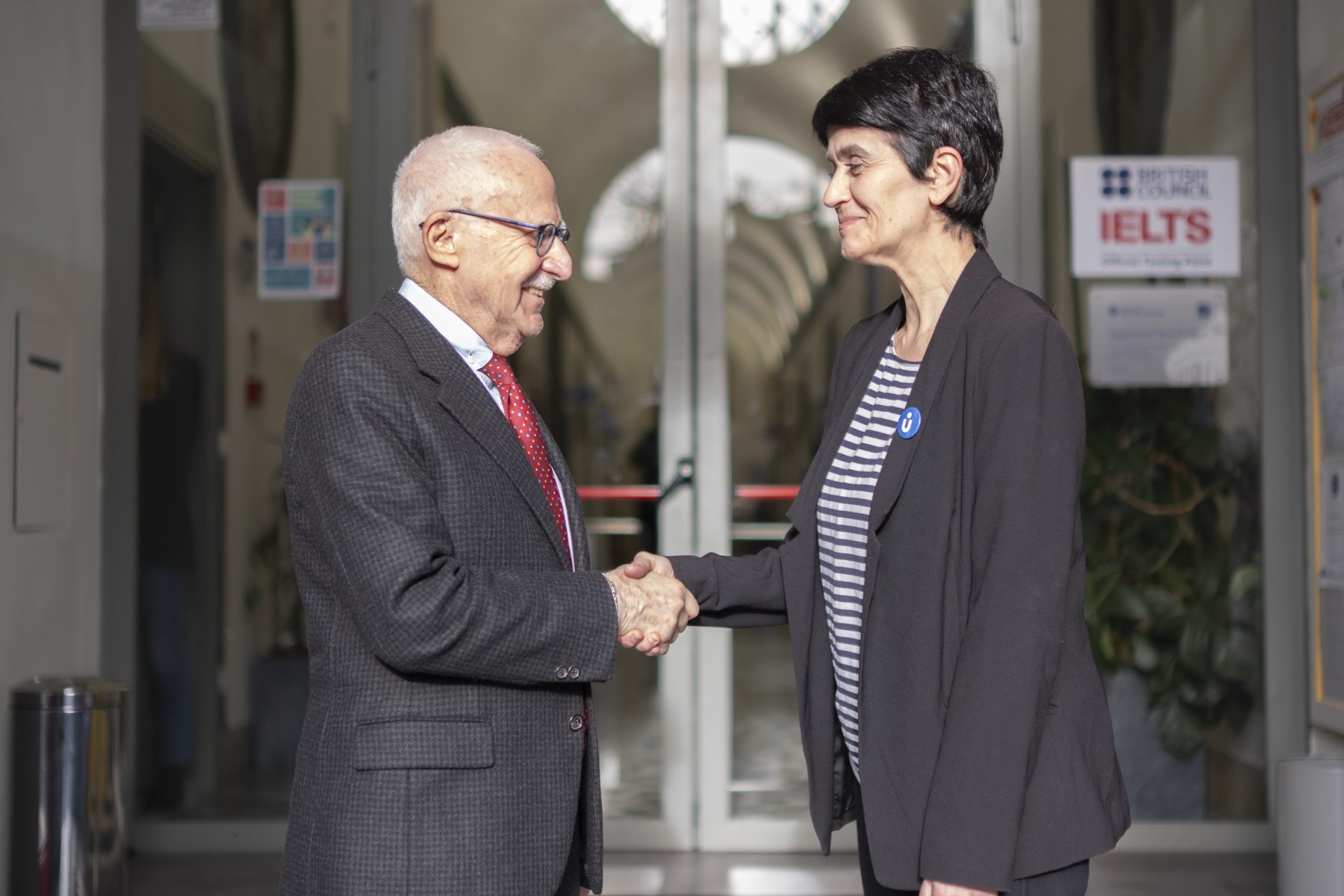
Unicollege's international model is based primarily on direct institutional relationships between universities, rather than placing a third-party study-abroad provider between the home and host institutions. The distinction matters. Programs can be discussed directly between academic departments; curricula can be compared before mobility; credits can be governed through established institutional agreements; official transcripts are issued by the accredited university delivering the academic experience; and questions of student welfare, academic standards, accessibility, and recognition remain within university structures.
This university-to-university model restores an older principle of international higher education: universities welcoming each other's students and scholars as academic peers. In a study-abroad ecosystem increasingly mediated by external organizations, direct institutional reciprocity remains comparatively distinctive.
Housing, Arrival & Everyday Life
Academic mobility also requires practical infrastructure

Students arriving from another country need more than a classroom. International support therefore extends to accommodation, check-in, local transportation, healthcare orientation, insurance, administrative procedures, residence documentation, practical information about living in Italy, and assistance navigating everyday questions that are unfamiliar precisely because the student is abroad.
This support is connected to the academic experience rather than outsourced from it. The objective is to reduce the practical friction of mobility so that students can concentrate on study, language acquisition, cultural participation, and university life.
Faculty & Staff Mobility
The Scholars' Grand Tour

Internationalization also depends on the movement of teachers, researchers, administrators, and ideas. Through the Scholars' Grand Tour Fellowship, eligible accompanying and visiting faculty participating in faculty-led and customized academic programs may receive complimentary accommodation and meal support during their stay.
The principle is intentionally academic rather than hospitality-driven. Italy's historical Grand Tour was built on intellectual circulation: people arrived, observed, studied, exchanged ideas, and carried those ideas elsewhere. The Fellowship reinterprets that tradition within contemporary higher education by reducing practical barriers to faculty mobility and giving scholars the conditions to spend meaningful time within another academic community. In this sense, the circulation that helped shape the Renaissance does not need to be treated simply as history. Universities can continue it.
Careers, Internships & What Comes After
Support beyond the classroom and beyond graduation
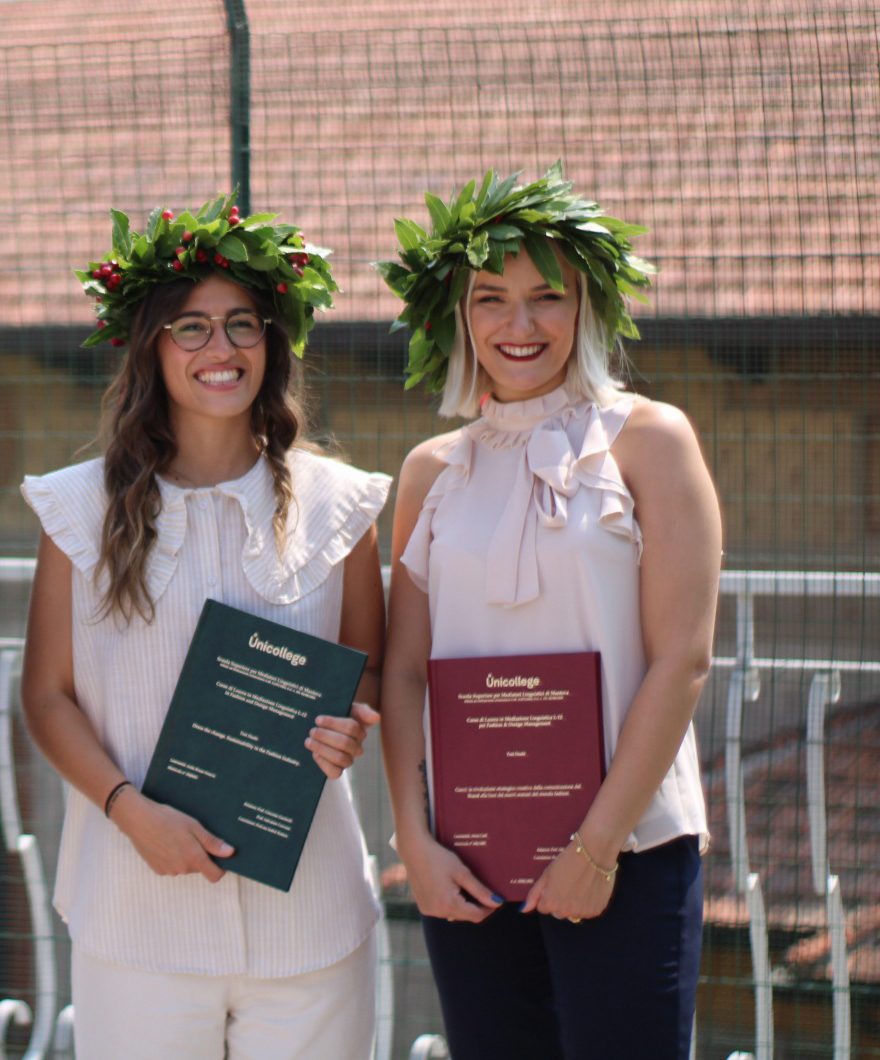
Student development continues through professional mentoring, curricular internships, career orientation, industry engagement, postgraduate advising, research mentoring, and support for further study. International students and exchange participants also receive academic closure before departure, including transcript preparation and, where applicable, documentation required for credit recognition at the home institution.
Re-entry is considered part of mobility as well. Returning home after an intensive period abroad can involve academic, professional, and personal transition, and students should be encouraged to translate international experience into future study, employment, research, and civic engagement rather than treating it as an isolated semester.
Families & Support Networks
Information without compromising student independence

Families frequently play an important role in the decision to attend university or study abroad, particularly during the first international experience.
Unicollege therefore provides families with clear information about academic calendars, accommodation, arrival, safety, wellbeing resources, financial planning, administrative procedures, and the support available to students. At the same time, university students are adults. Individual academic, health, accessibility, or personal information is handled according to applicable privacy rules, including the heightened protections applying to certain categories of personal data under the GDPR. The objective is informed families and independent students, not the substitution of one for the other.
A Study Abroad Office Built by People Who Have Studied Abroad
Experience as a professional prerequisite

The people supporting international mobility at Unicollege have themselves encountered international education from different sides: as students abroad, university officers, and, in some cases, parents of students navigating international education. That experience matters.
It means understanding that a delayed document can feel different when a flight is approaching; that a housing question is not merely logistical when someone has just arrived in another country; that families need clear information without undermining student independence; and that successful study abroad requires academic rigor alongside practical reassurance. In the Unicollege international environment, empathy is not presented as an additional service. It is treated as part of professional competence.
European and International Standards
A support system connected to the wider higher-education framework
The Unicollege model sits within a wider architecture of higher-education principles and obligations. Its reference points include the European Higher Education Area and Bologna Process, the current Standards and Guidelines for Quality Assurance in the European Higher Education Area, the Erasmus Charter for Higher Education, the Erasmus+ principles of inclusion and diversity, the EU Charter of Fundamental Rights, the UN Convention on the Rights of Persons with Disabilities, Italian legislation concerning university disability and specific learning disorders, and European data-protection requirements.
For collaboration with North American institutions, internationally familiar practices—including Title IX-informed approaches to dignity and nondiscrimination and Title IV-aware approaches to financial continuity—provide additional points of reference without replacing the Italian and European legal framework. The objective is not to reproduce one national university system inside another. It is to create a support environment that an Italian student, an American family, a European mobility officer, a visiting professor, or an international university president can recognize as serious, accountable, accessible, and institutionally complete.
Explore Student Life
Each area above opens into a dedicated page: from the moment someone considers Unicollege to the moment they graduate or return home, there is a university office responsible for helping them move to the next stage.