

Mantua City College
The Alma Mater
Mantua is where the Unicollege story began. Founded here in 1975, the institution grew from its original specialization in languages and intercultural studies into the accredited university it is today. Florence may now serve as the University Headquarters, but Mantua remains its historic alma mater: the city in which its academic identity first took shape.
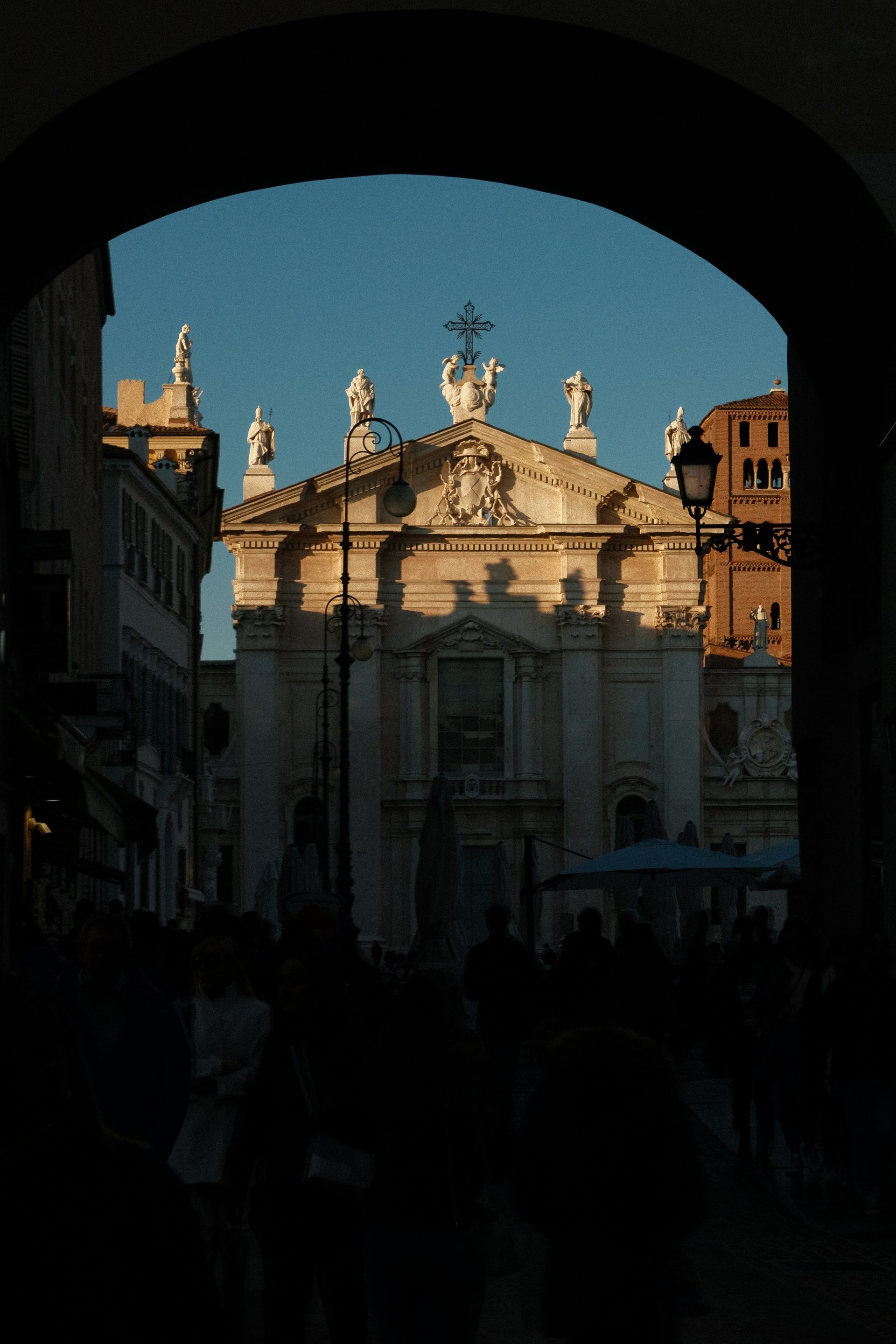
The setting could hardly be more fitting. Unicollege occupies part of a historic educational complex only a few minutes' walk from Piazza Sordello, Mantua Cathedral and Palazzo Ducale—at the very heart of the city that the Gonzaga transformed into one of the great courts of Renaissance Europe.
More Than Four Centuries of Education
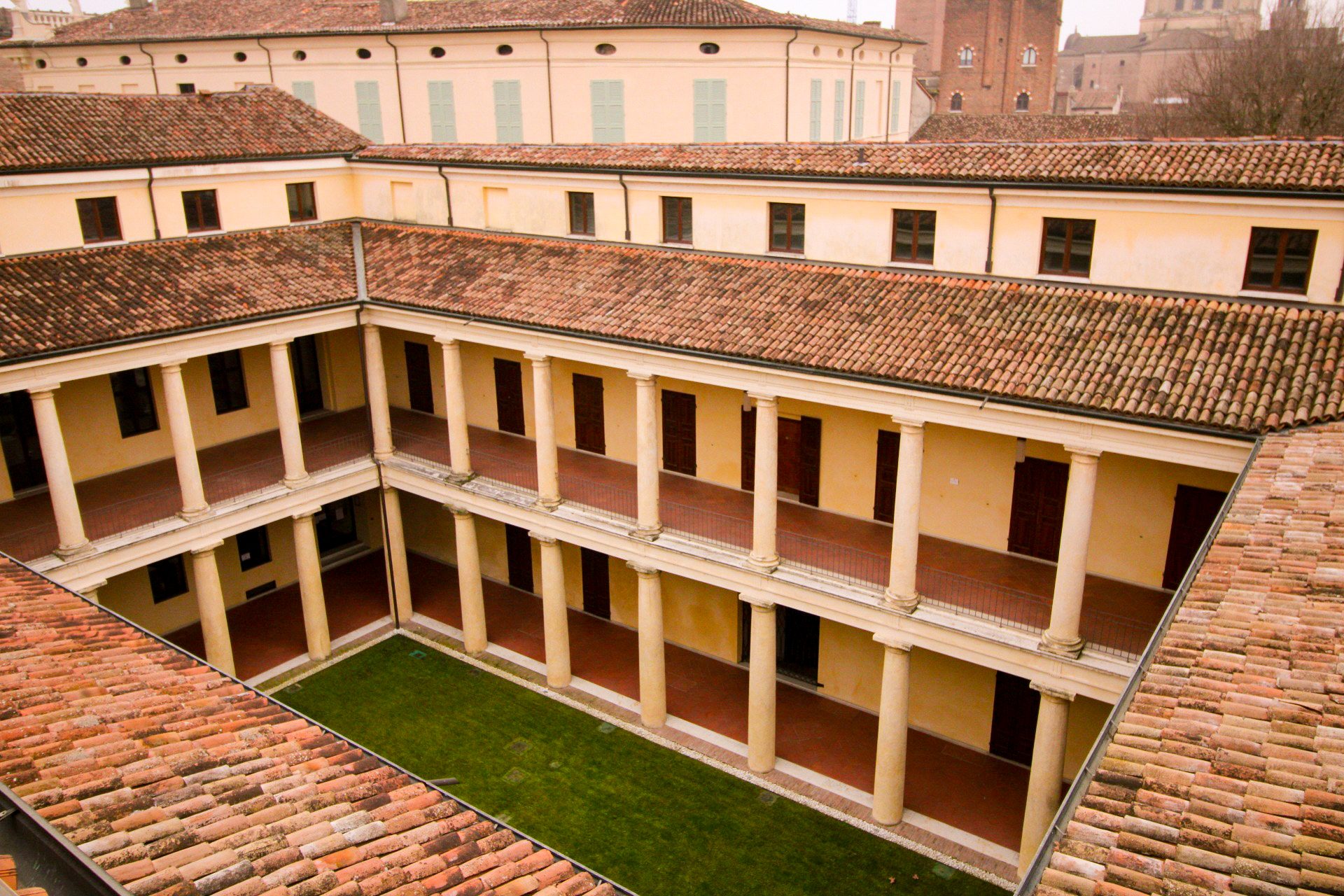
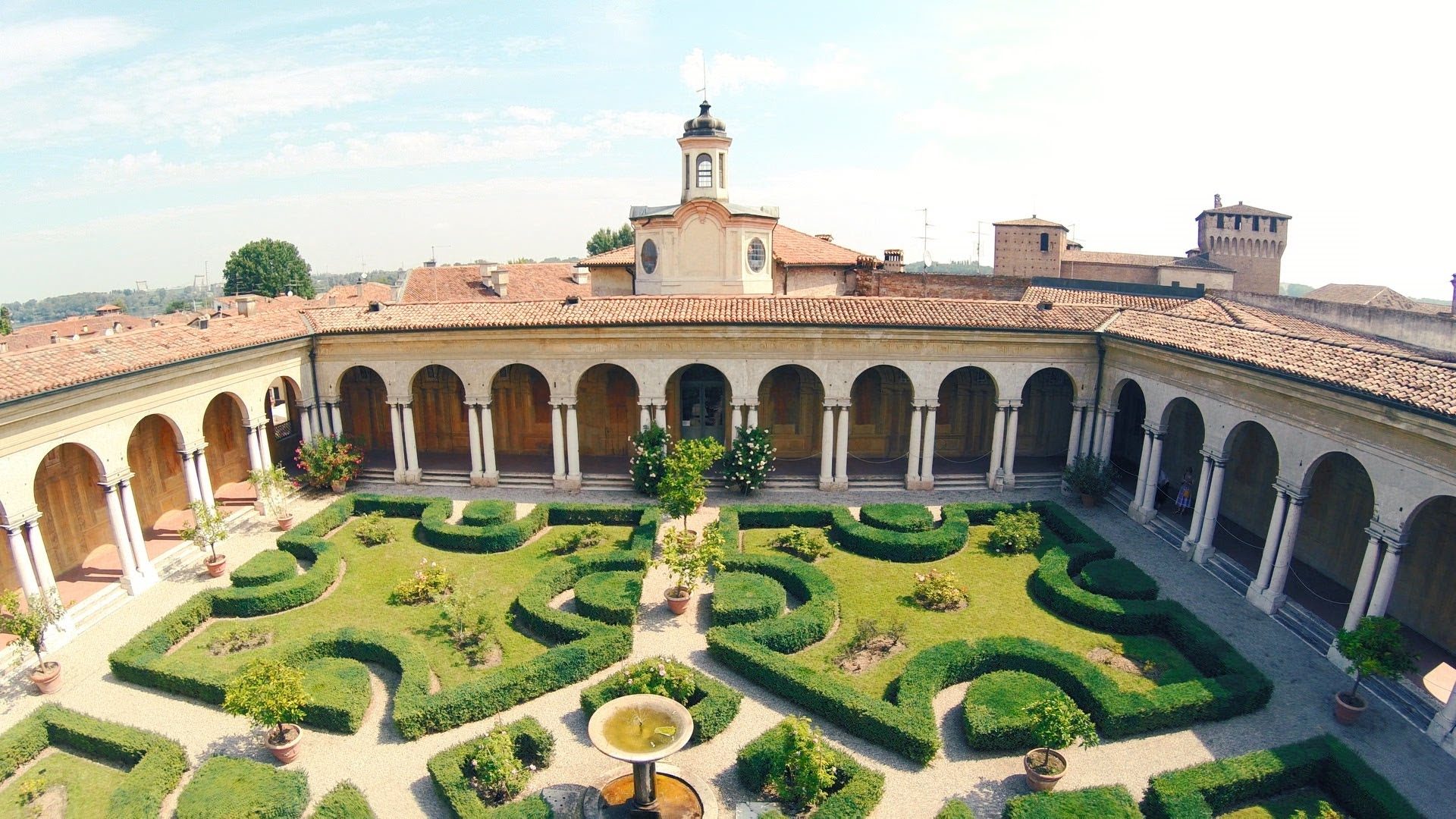
Long before Unicollege arrived, this was already a place of learning. The campus forms part of the former Episcopal Seminary of Mantua, an institution established in 1594 by Bishop Francesco Gonzaga. Its educational tradition therefore reaches back more than four centuries. The complex evolved over successive periods, incorporating historic architecture, courtyards and traces of earlier structures into the building seen today.
Unicollege is a secular university, but there is an extraordinary continuity in the use of the site: a building created for study and intellectual formation remains devoted to education centuries later. That sense of continuity is visible throughout the campus—in its scale, its internal courtyard, mature trees and the architectural remains embedded within a modern academic environment.
A College in the Historic City
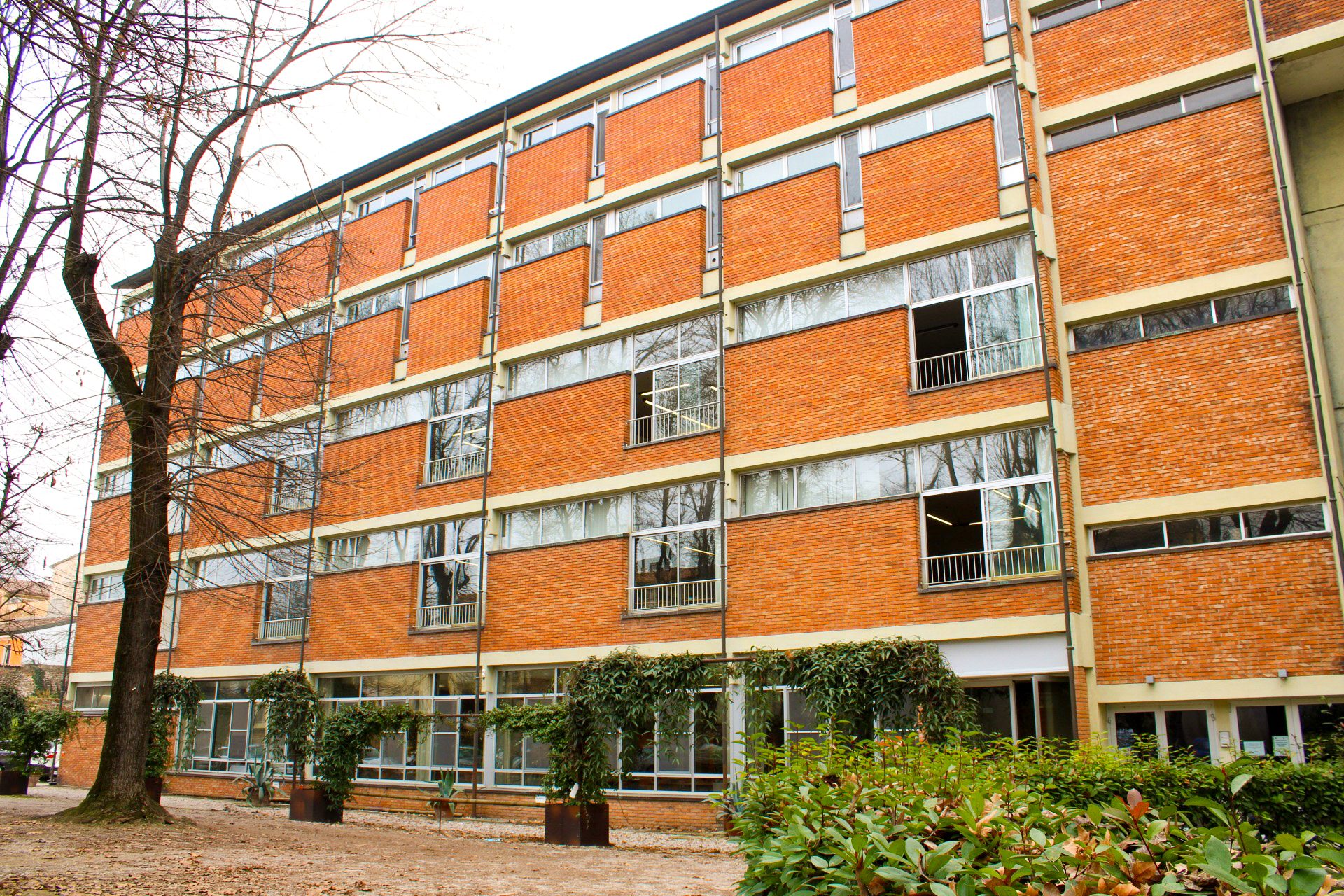
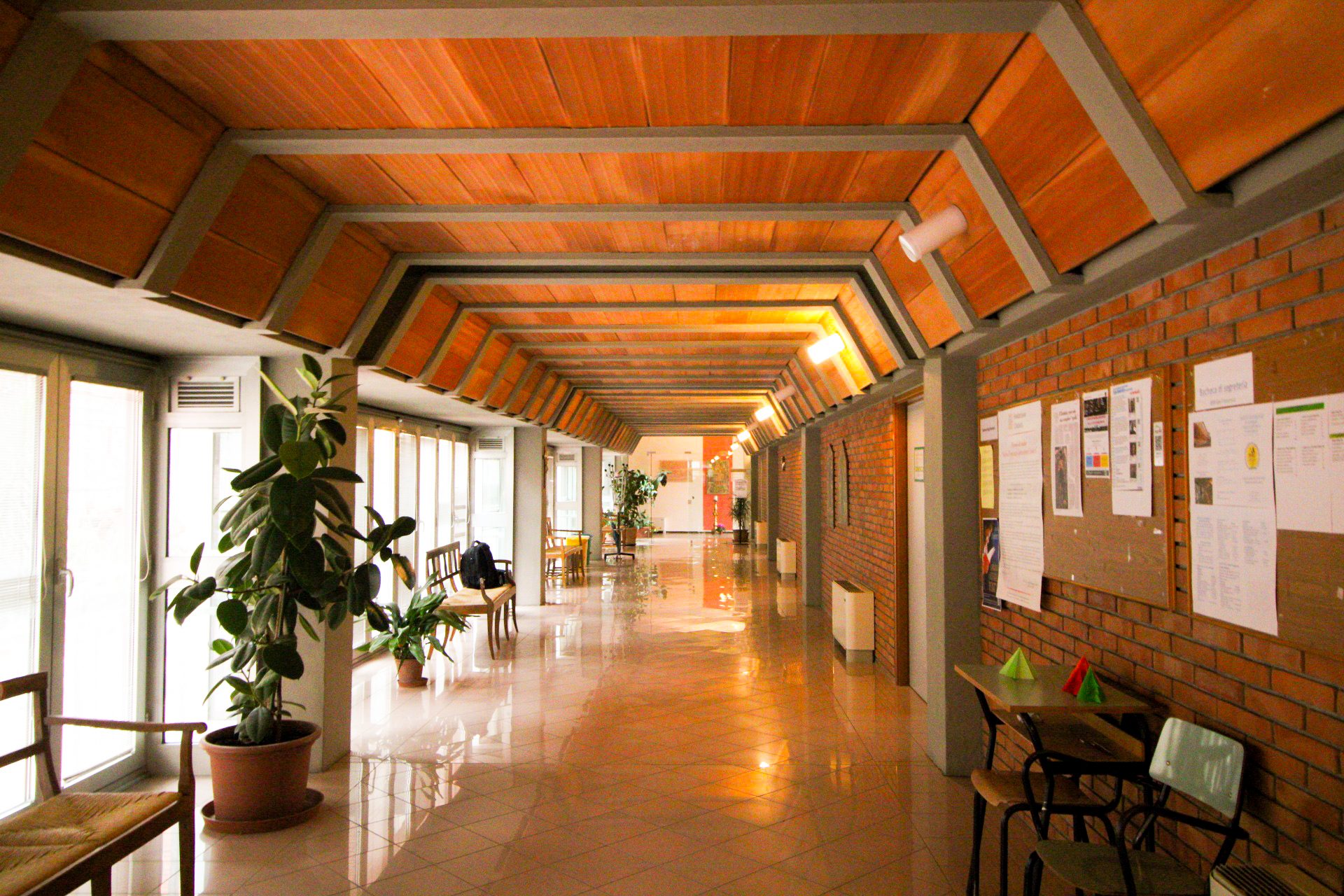
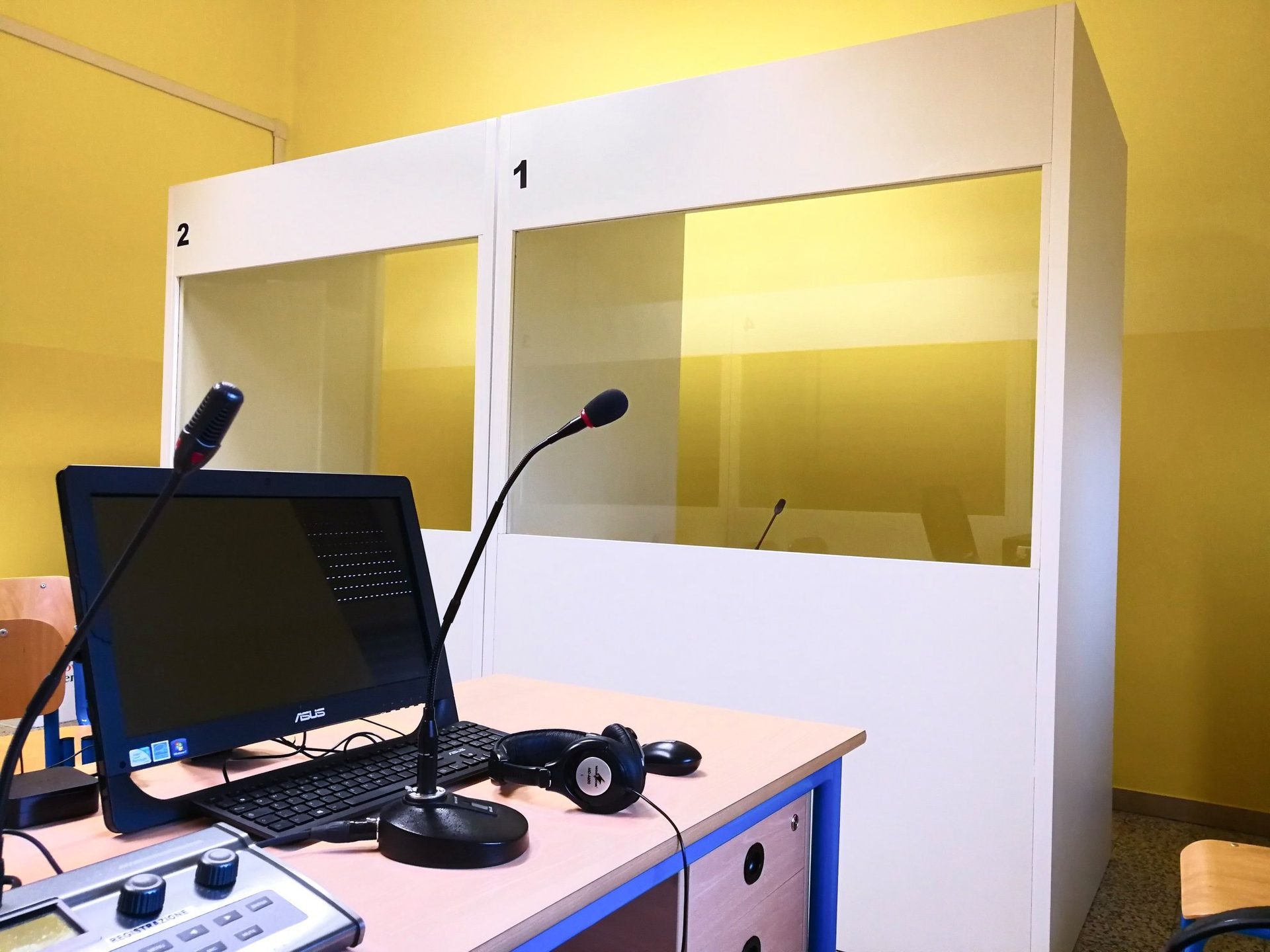
At approximately 4,000 square meters, Mantua is deliberately more intimate than the Florence Headquarters. Classrooms, study rooms, a library, an auditorium and indoor and outdoor common areas are brought together within a compact four-story complex. The IT laboratory provides 24 workstations, while a dedicated language laboratory includes five two-person interpreting booths for simultaneous interpretation practice. It is a City College in the fullest sense: sufficiently complete to create its own academic community, but closely integrated into the surrounding city.
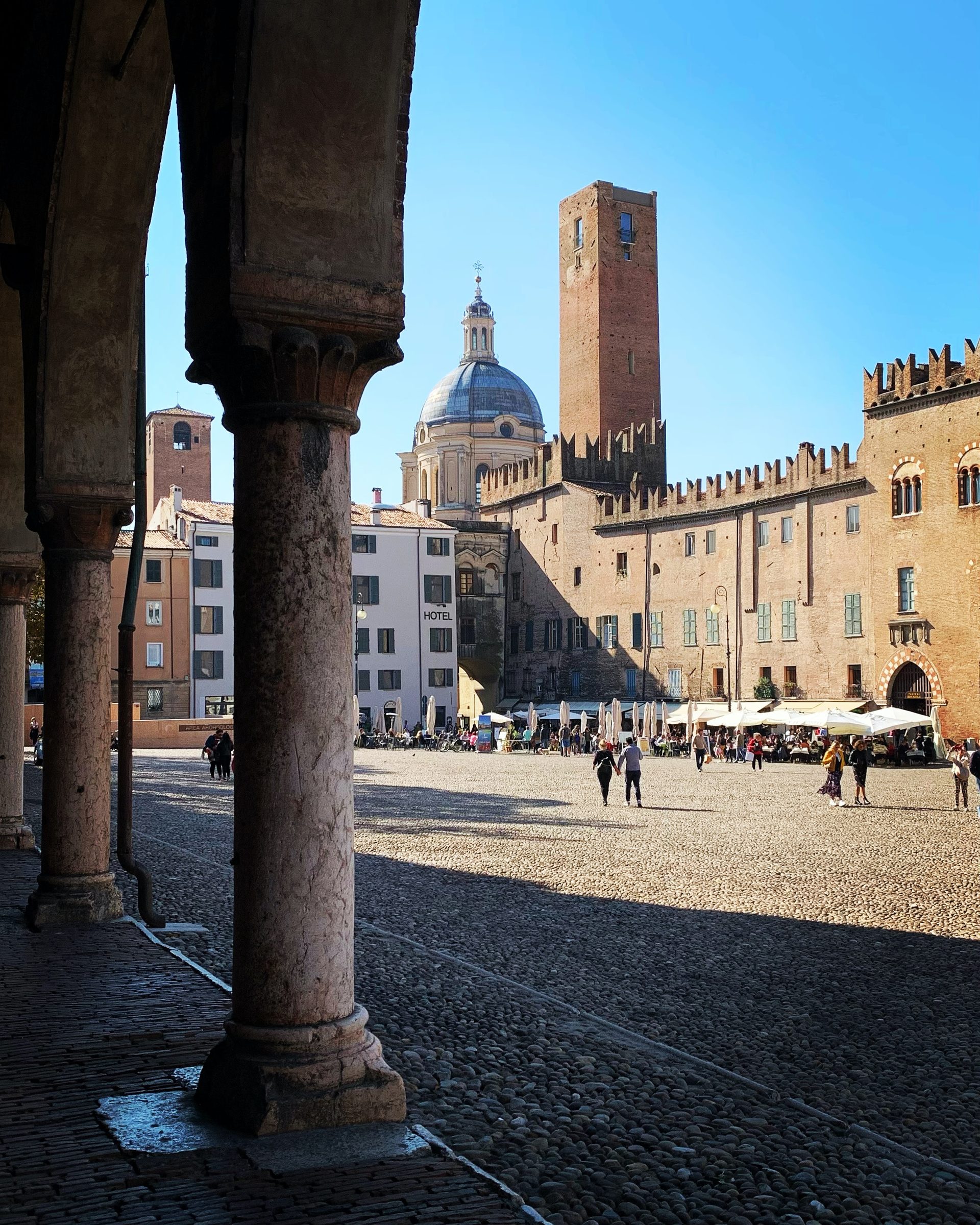
There is little separation between the two. From the campus, Piazza Sordello is only a few minutes away on foot. Palazzo Ducale, the Cathedral, cafés, restaurants, shops and the streets of the historic center quickly become part of everyday student life.
Living at the Alma Mater
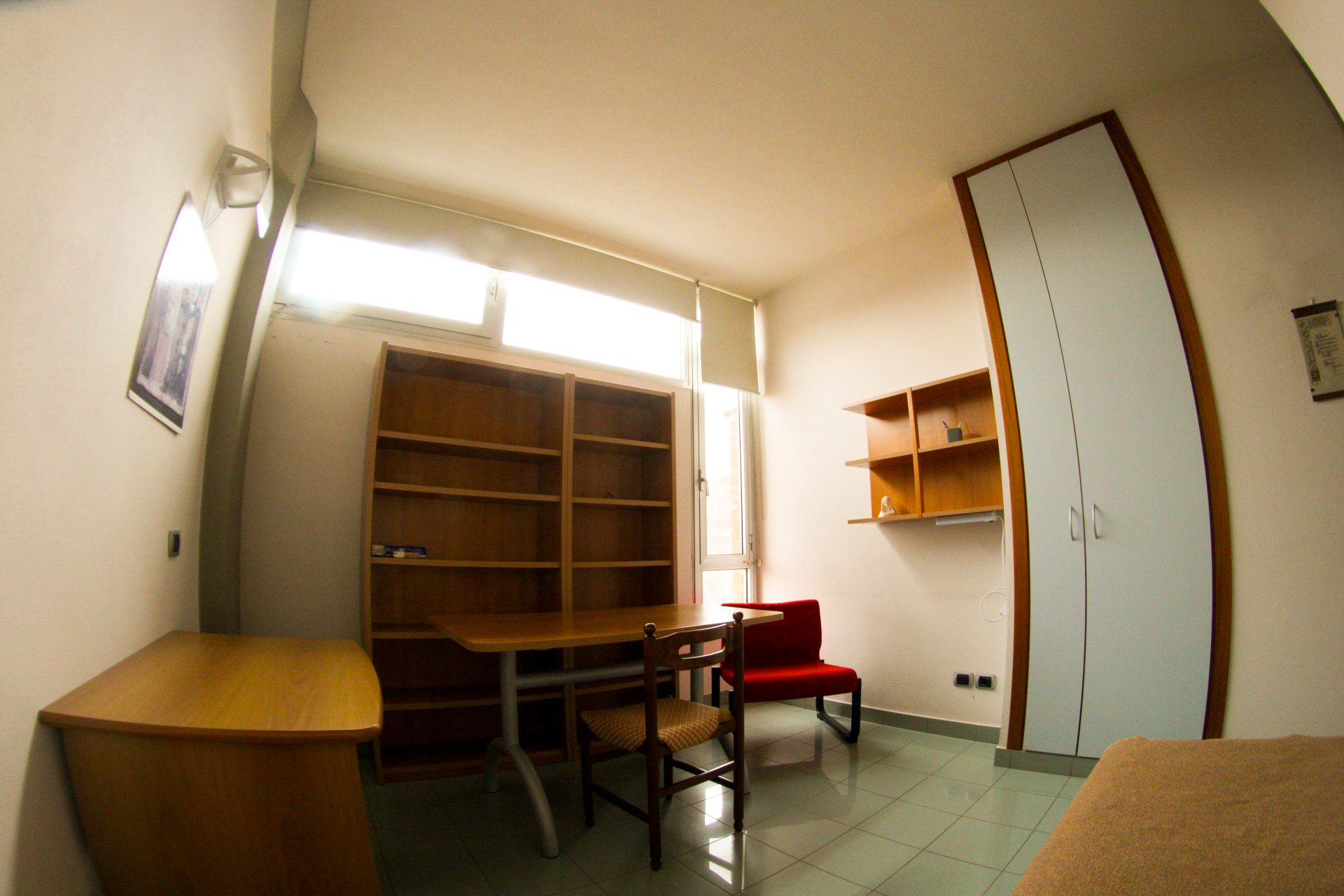
Mantua is also a residential Unicollege location. The upper floor of the campus includes university accommodation, with 20 studio rooms as well as double and triple configurations, complemented by shared kitchen, dining and laundry facilities.
Because the city itself is compact, student life extends naturally beyond the building. The campus maintains relationships with local cafés, restaurants, gyms and other venues, while almost everything required for daily life can be reached on foot or by bicycle.
The result is quite different from studying on a large, self-contained suburban campus. Students do not simply live near Mantua. They begin to live within it.
Mantua as the Classroom
Mantua rewards close attention. Unlike cities whose monuments are separated by long distances, much of its extraordinary cultural history is concentrated within a walkable center.
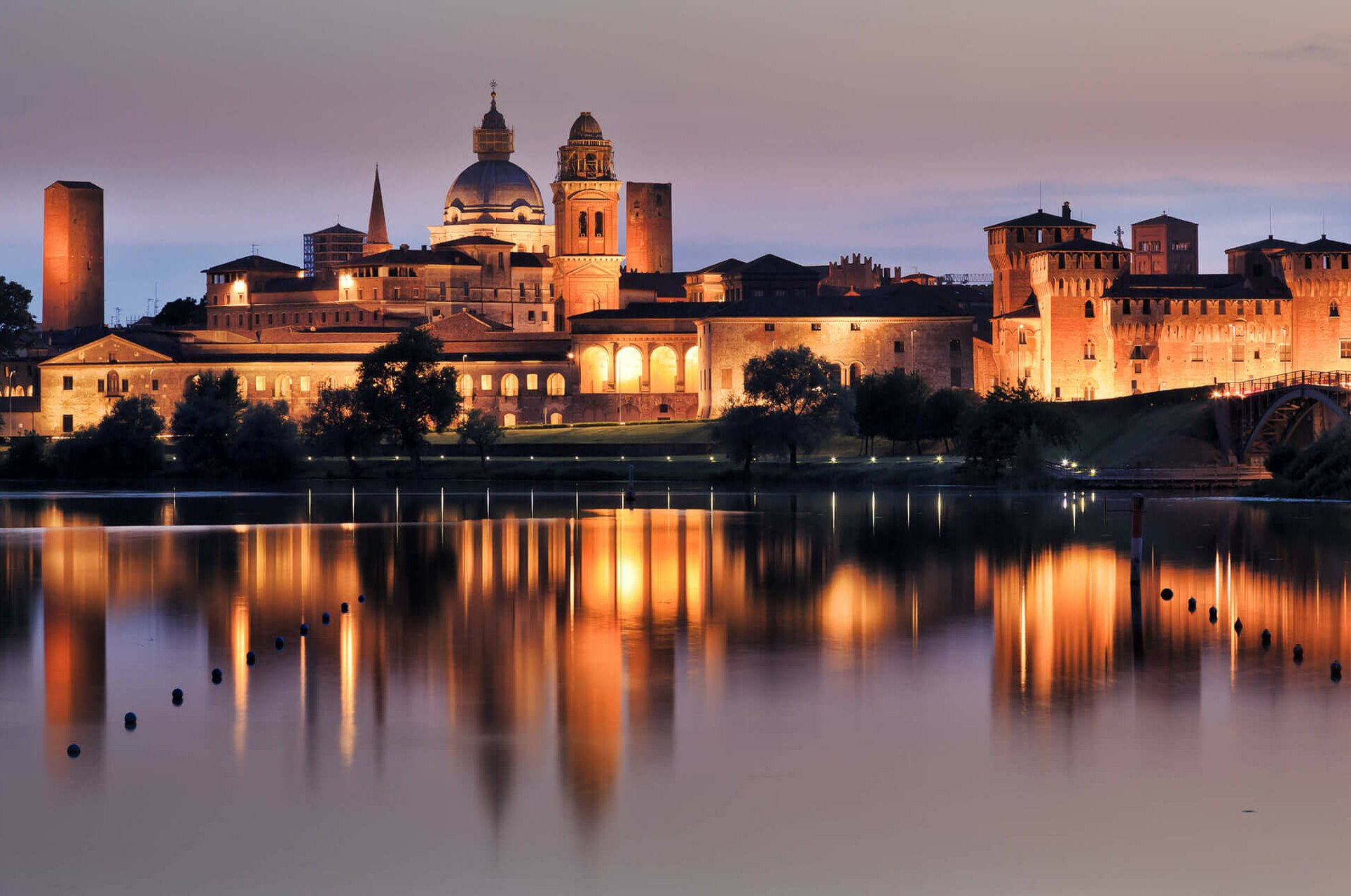
Together with Sabbioneta, Mantua has been inscribed on the UNESCO World Heritage List since 2008. UNESCO describes the city as an exceptional example of the transformation of an existing urban center according to Renaissance ideals, shaped in particular by the ambitions of the Gonzaga dynasty. Some of the most important figures of the Italian Renaissance worked here.
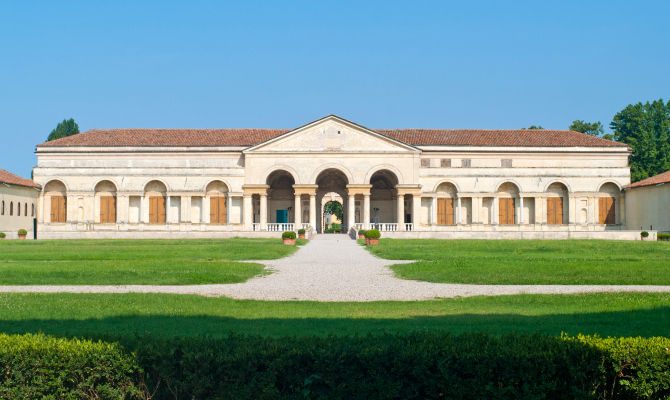
Andrea Mantegna painted the Camera degli Sposi inside Palazzo Ducale. Leon Battista Alberti transformed the architectural language of the city through works including the Basilica of Sant'Andrea. Giulio Romano created Palazzo Te, one of the most extraordinary expressions of sixteenth-century architecture and decoration. These are not distant field-trip destinations. They belong to the same urban landscape students cross between campus, home and everyday life.
Student Life Beyond the Classroom
Mantua may be smaller than Florence, Milan or Turin, but culturally it has rarely behaved like a provincial city. Each September, Festivaletteratura transforms its squares, theaters and historic buildings into an international meeting place for writers, readers and ideas. The festival itself points to one of Mantua's defining qualities: because the city is so compact, cultural life unfolds directly through its streets rather than within a single enclosed venue.
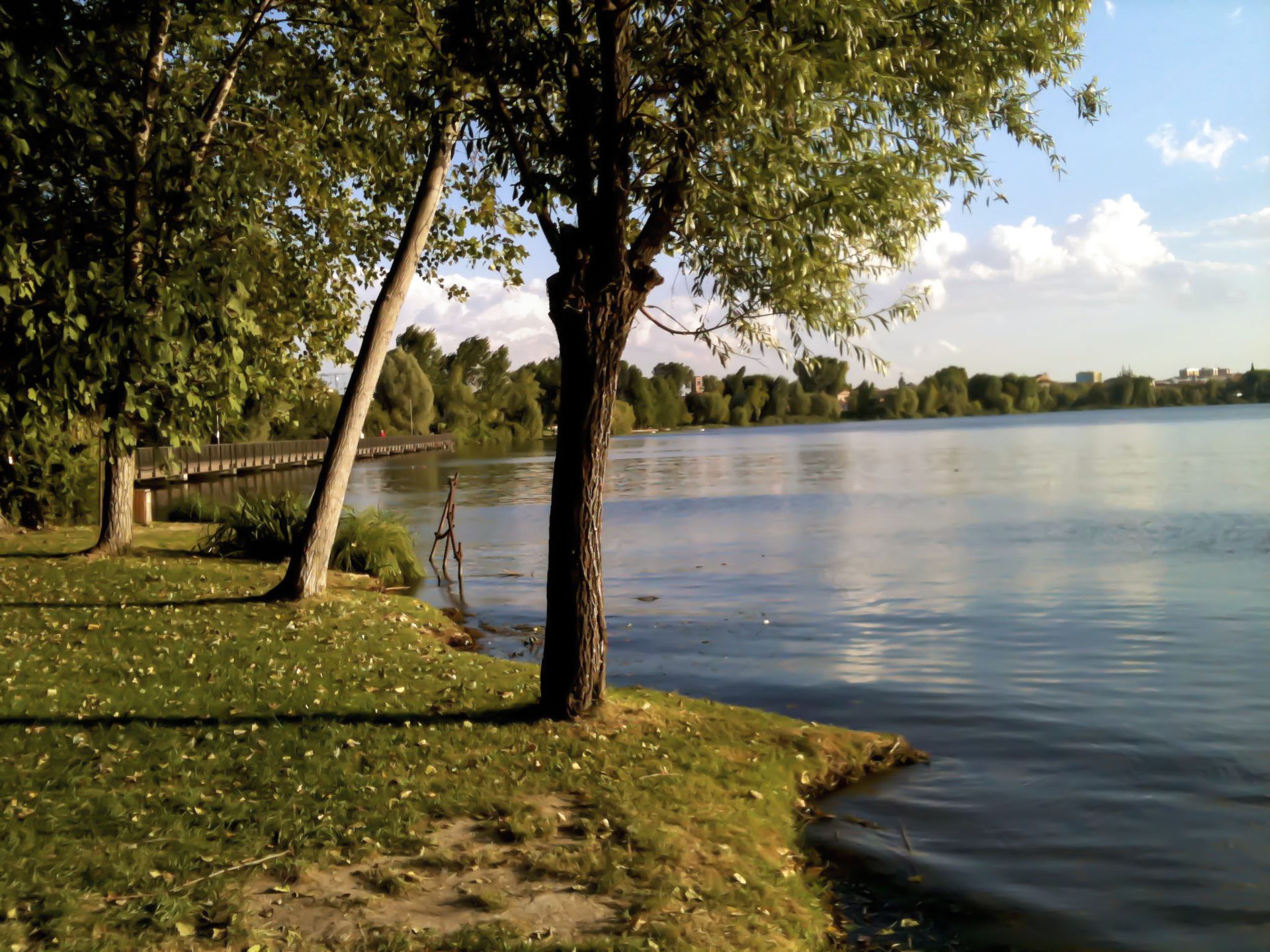
Students can spend an afternoon inside Palazzo Ducale, walk or cycle along the lakes, visit Palazzo Te, study in a café around Piazza delle Erbe, or simply move through a city whose layers—from Roman origins to the Middle Ages, the Gonzaga Renaissance and modern Italy—remain unusually legible. The city encourages a slower kind of immersion. Not everything has to be scheduled.