

Turin City College
An International Address in Italy's First Capital
Turin adds a different chapter to the Unicollege story. If Florence is the University Headquarters and Mantua its historic alma mater, Turin is distinctly metropolitan: a compact City College embedded in a city shaped by monarchy, diplomacy, industry, design, and international exchange.
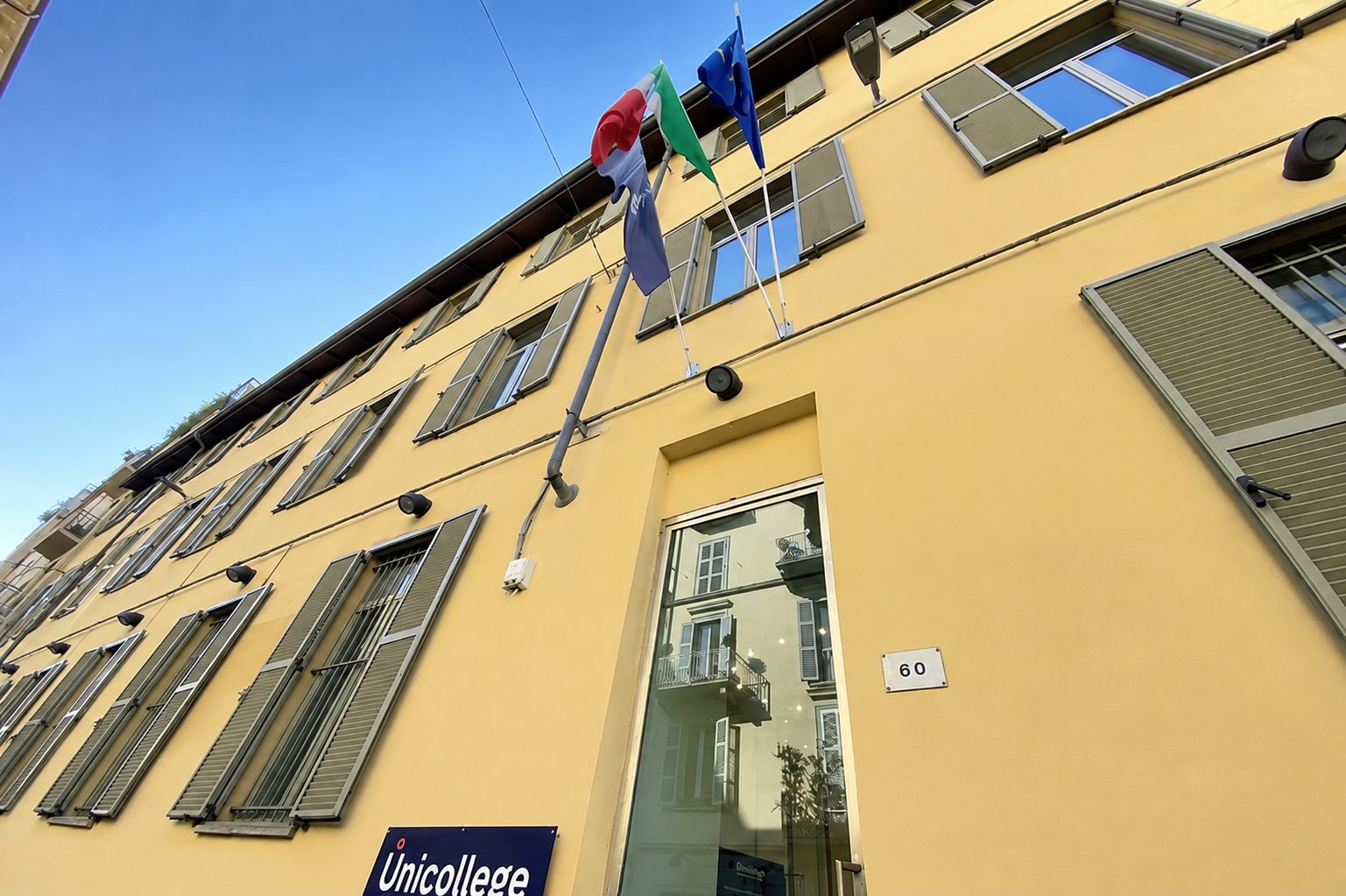
Unicollege is located at Via Saluzzo 60, in San Salvario, between the historic center and the River Po. The neighborhood places students within walking distance of Porta Nuova station, Valentino Park, cafés, cultural venues, and one of Turin's most active urban districts. Here, the city is not beyond the campus. It begins at the front door.
A Place with an International Past
Long before Unicollege arrived, Via Saluzzo 60 was associated with languages and cultural exchange. The address was home to the Alliance Française de Turin for more than a decade and continued a longer French cultural presence in the city following the former Centre Culturel Français. From this building, the Alliance organized language teaching, exhibitions, literary encounters, and Franco-Italian cultural programming before moving to its present premises in 2021. That history gives the site an unusual continuity.
A building once devoted to bringing languages and cultures together now houses a university in which applied languages, interpreting, international affairs, business, and intercultural education remain central to academic life. It is a fitting inheritance for Unicollege.
A Compact Urban College
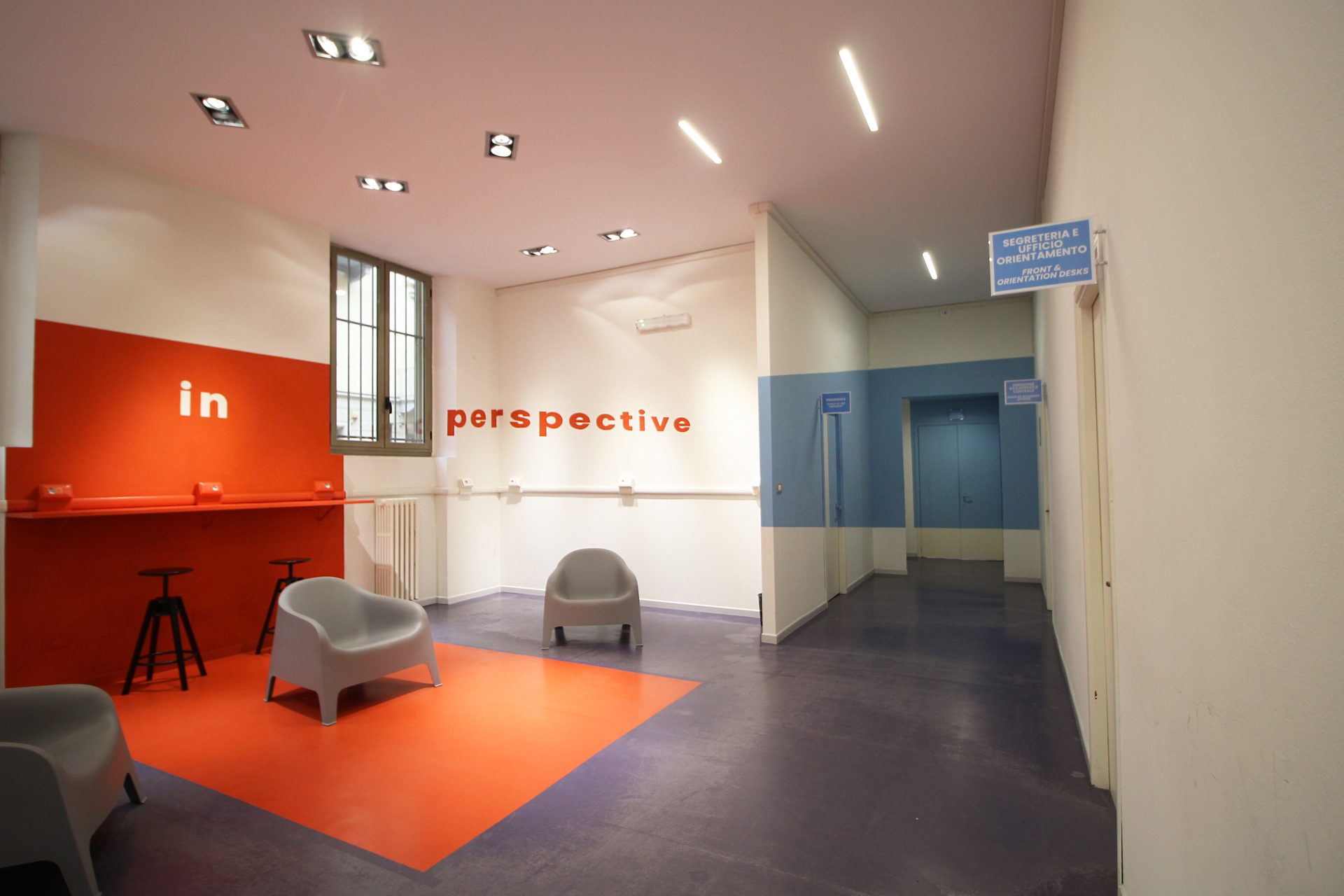
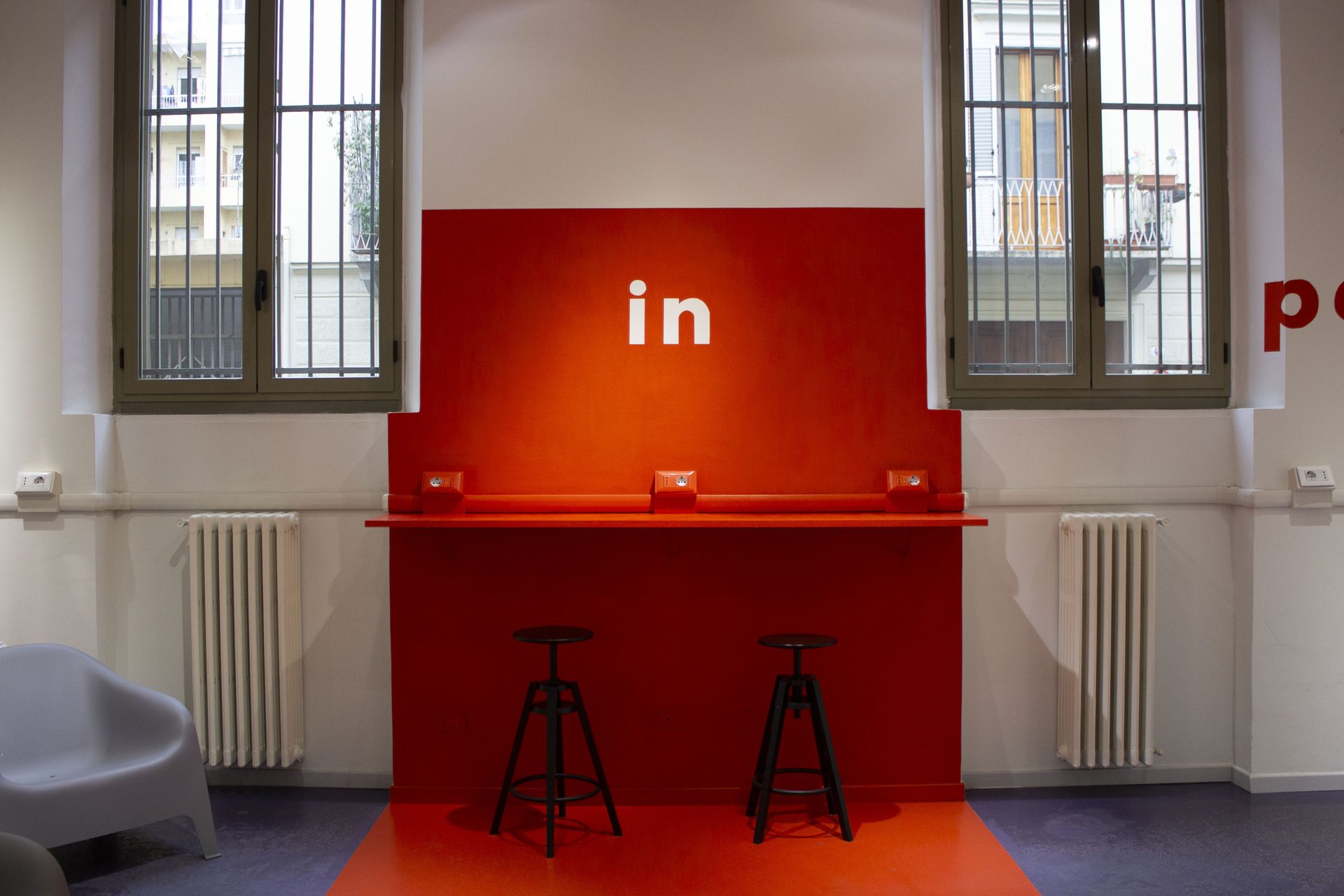
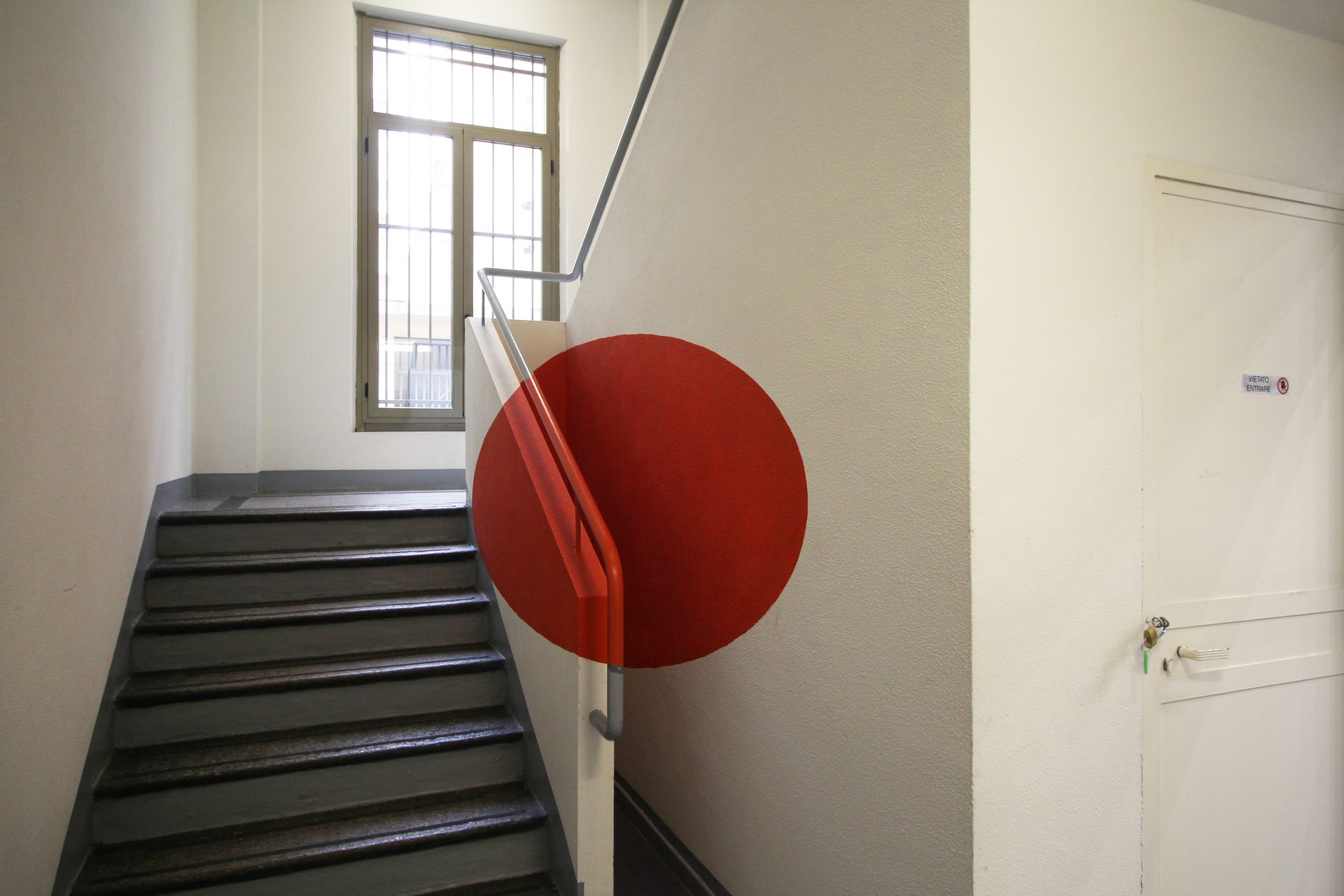
Turin follows a different model from the Florence Headquarters. Rather than reproducing a large residential campus inside the city, the City College concentrates academic life into an intimate, professionally oriented environment, particularly suited to degree programs, graduate and executive education, languages, and smaller academic cohorts.
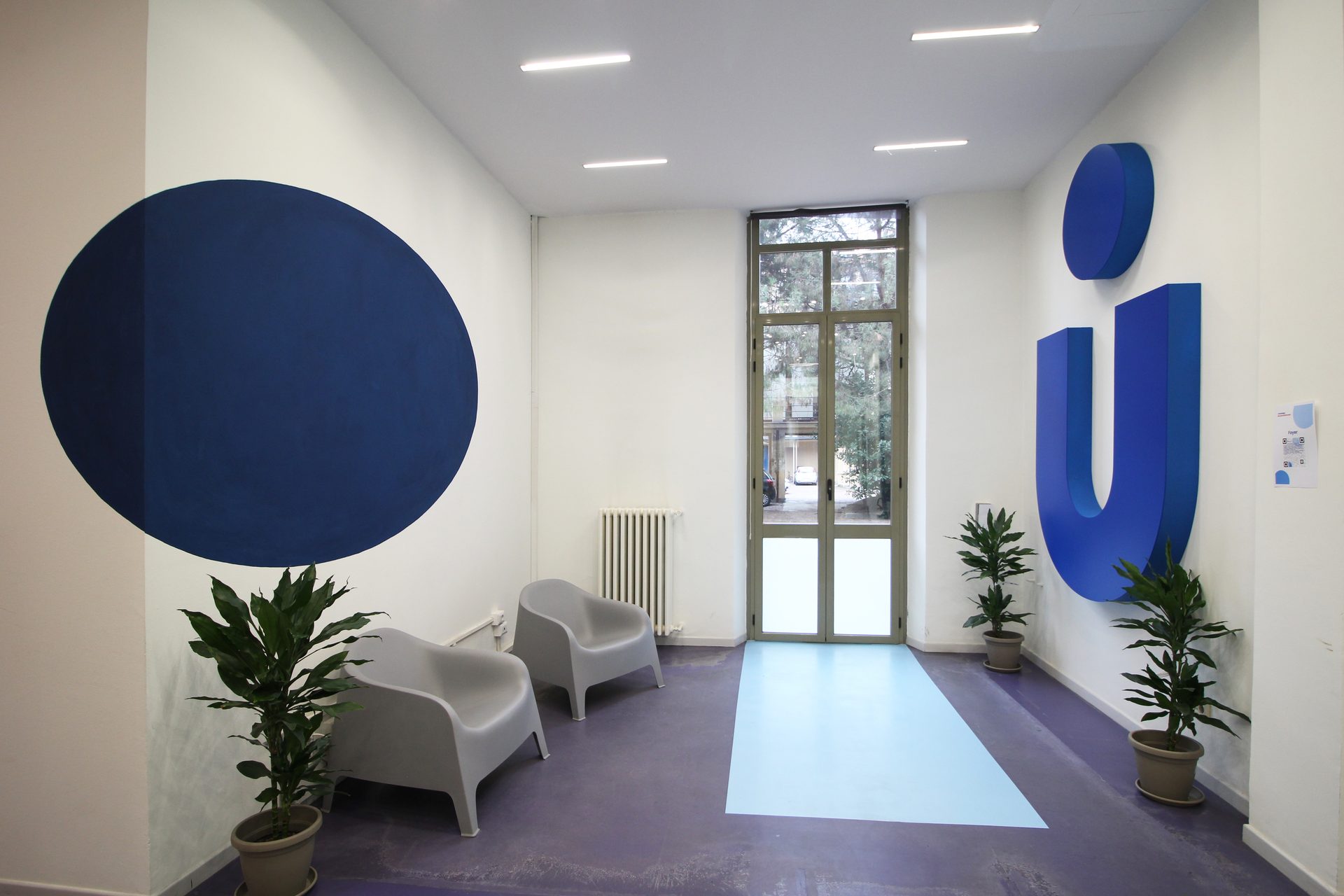
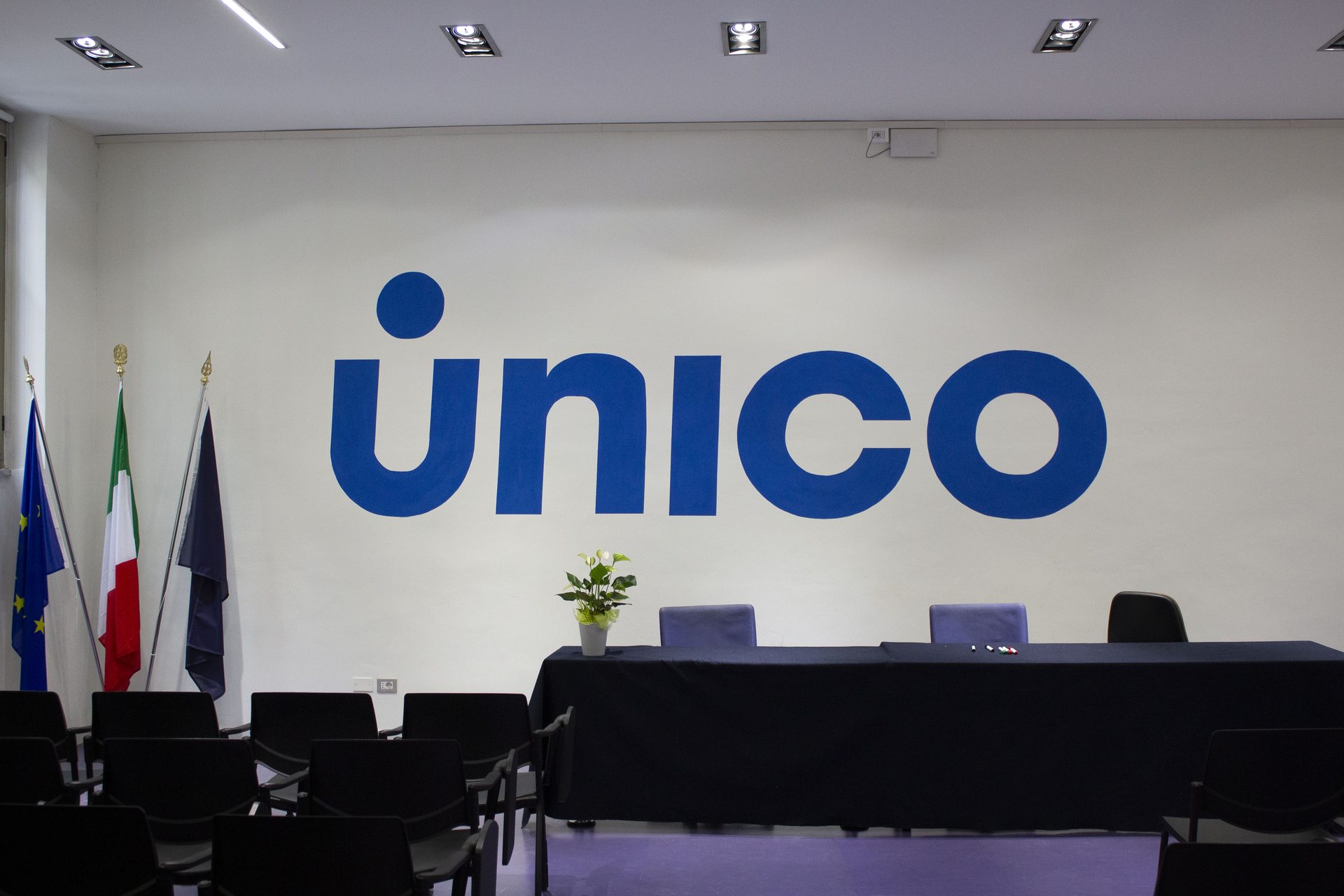
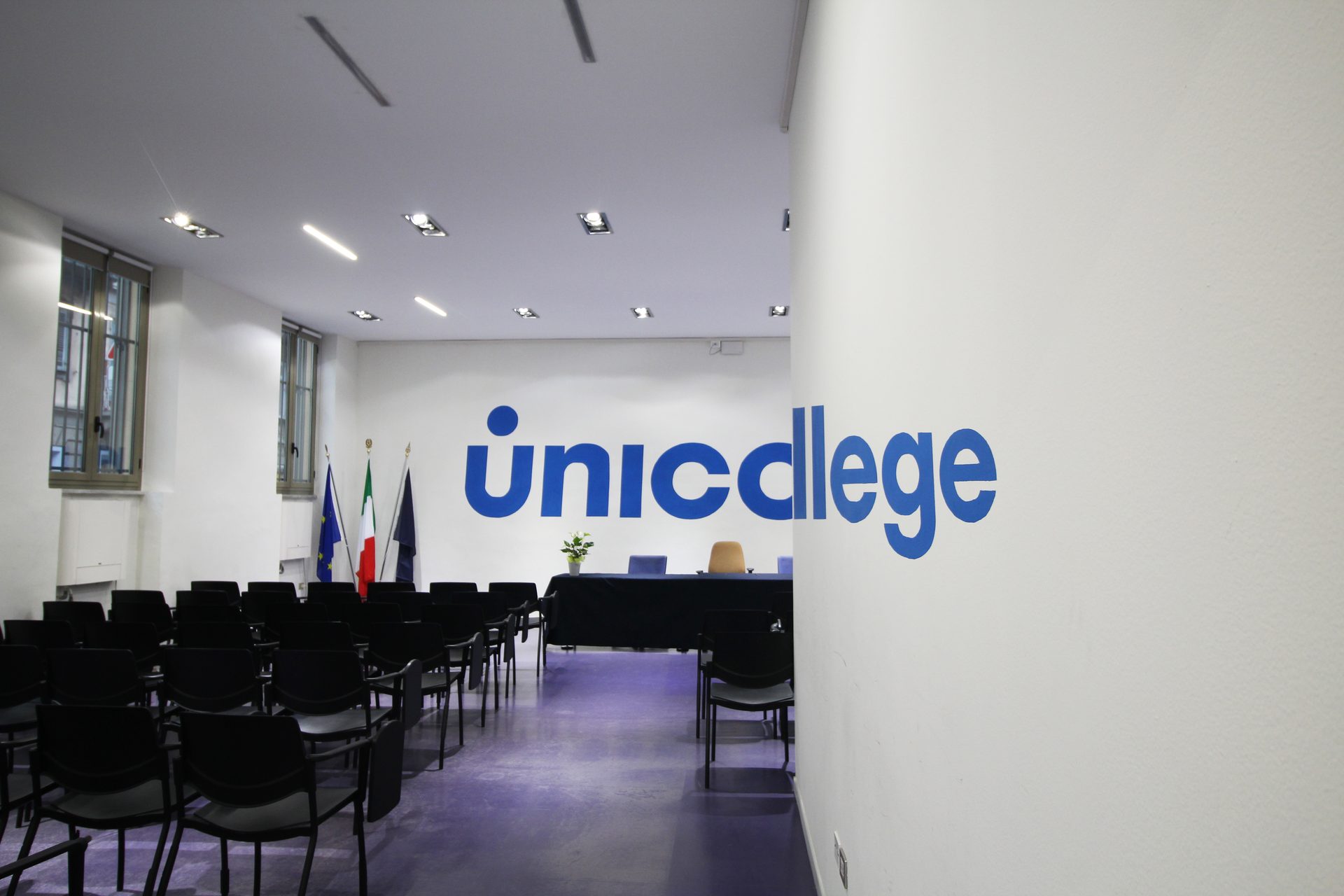
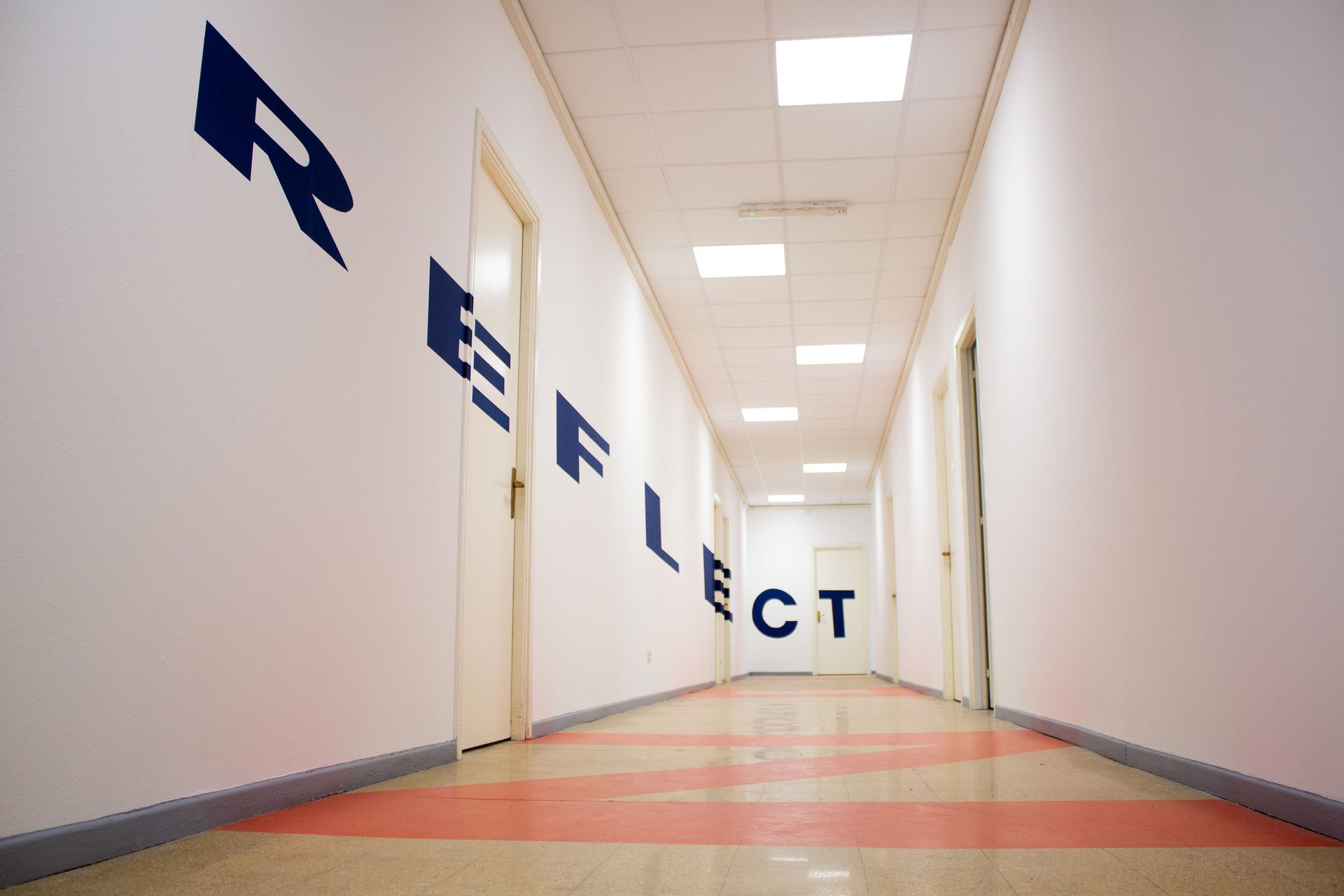
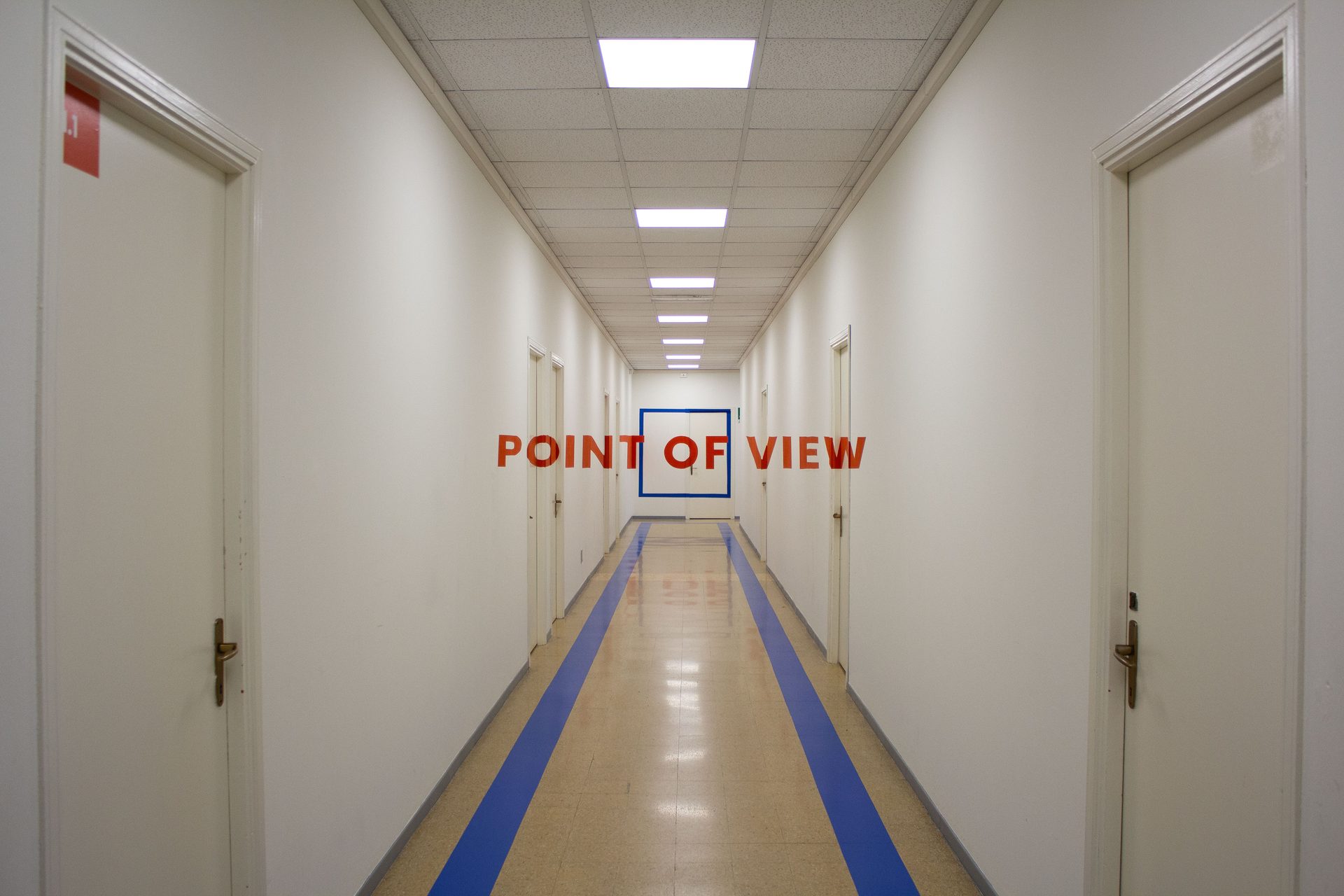
The campus includes 10 classrooms, a computer laboratory with 18 workstations, a specialist language laboratory with interpreting booths, a study room, library, Aula Magna, and common areas. Student services and academic support remain directly accessible through the campus offices, while tutoring, mentoring, and other university services are coordinated across the wider Unicollege system.
The scale encourages familiarity. Faculty, students, and staff share the same academic environment, while the surrounding city supplies much of what a traditional enclosed campus might otherwise contain.
Living in Turin
Housing follows the same urban model. Unlike Florence and Mantua, accommodation is not concentrated inside the academic building. Instead, Unicollege works with affiliated student residences in Turin, including options in and around San Salvario, allowing students to live within the city and commute to Via Saluzzo as local university students do.
That distinction is part of the experience. The morning journey to class, the neighborhood café, the market, the tram, the walk through Valentino Park, and the streets around Porta Nuova gradually become part of an everyday Turin routine. Students have a university base without being separated from the life around it.
Turin as the Classroom
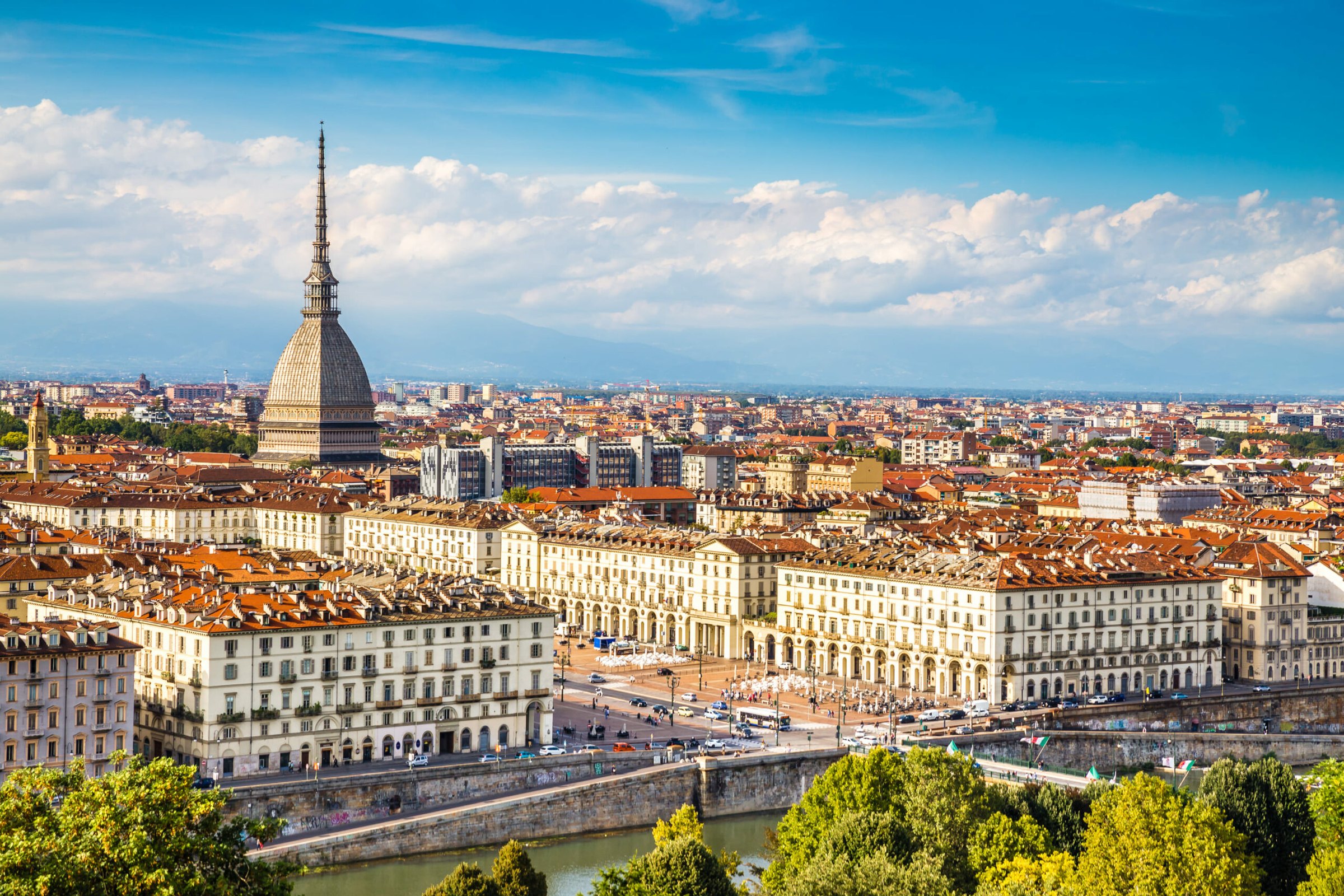
Turin is a city of reinvention. In 1562, Emmanuel Philibert of Savoy transferred the capital of his duchy to Turin and began the transformation of the city into a major European court. Over the following centuries, the House of Savoy created an extraordinary system of palaces, residences, avenues, and ceremonial spaces extending from the center into the surrounding countryside.
Today, the Residences of the Royal House of Savoy are recognized by UNESCO as an exceptional expression of seventeenth- and eighteenth-century European architecture and urban planning. The political significance of the city continued into the nineteenth century. When Italy was unified in 1861, Turin became the first capital of the Kingdom of Italy. Students therefore encounter the formation of modern Italy not as a distant historical narrative, but through the palaces, squares, institutions, and streets in which it took place.
Yet Turin did not remain a court city. During the twentieth century it became one of the great centers of European manufacturing, particularly through the automotive, mechanical, steel, textile, and engineering industries. That industrial identity transformed Turin again. Factories, engineering, mass production, migration, labor, transportation, and design reshaped both the city and modern Italian society. And then Turin reinvented itself once more. Its industrial expertise became a foundation for contemporary design, mobility, technology, aerospace, architecture, culture, and creative enterprise. UNESCO recognizes Turin as a Creative City of Design, noting how the knowledge of design and production accumulated through its industrial past has helped shape its contemporary creative economy. For students of business, communication, international affairs, languages, technology, design, and the creative industries, the city therefore offers an unusually complete case study: court city, national capital, industrial powerhouse, post-industrial laboratory.
A City College Built Around the City
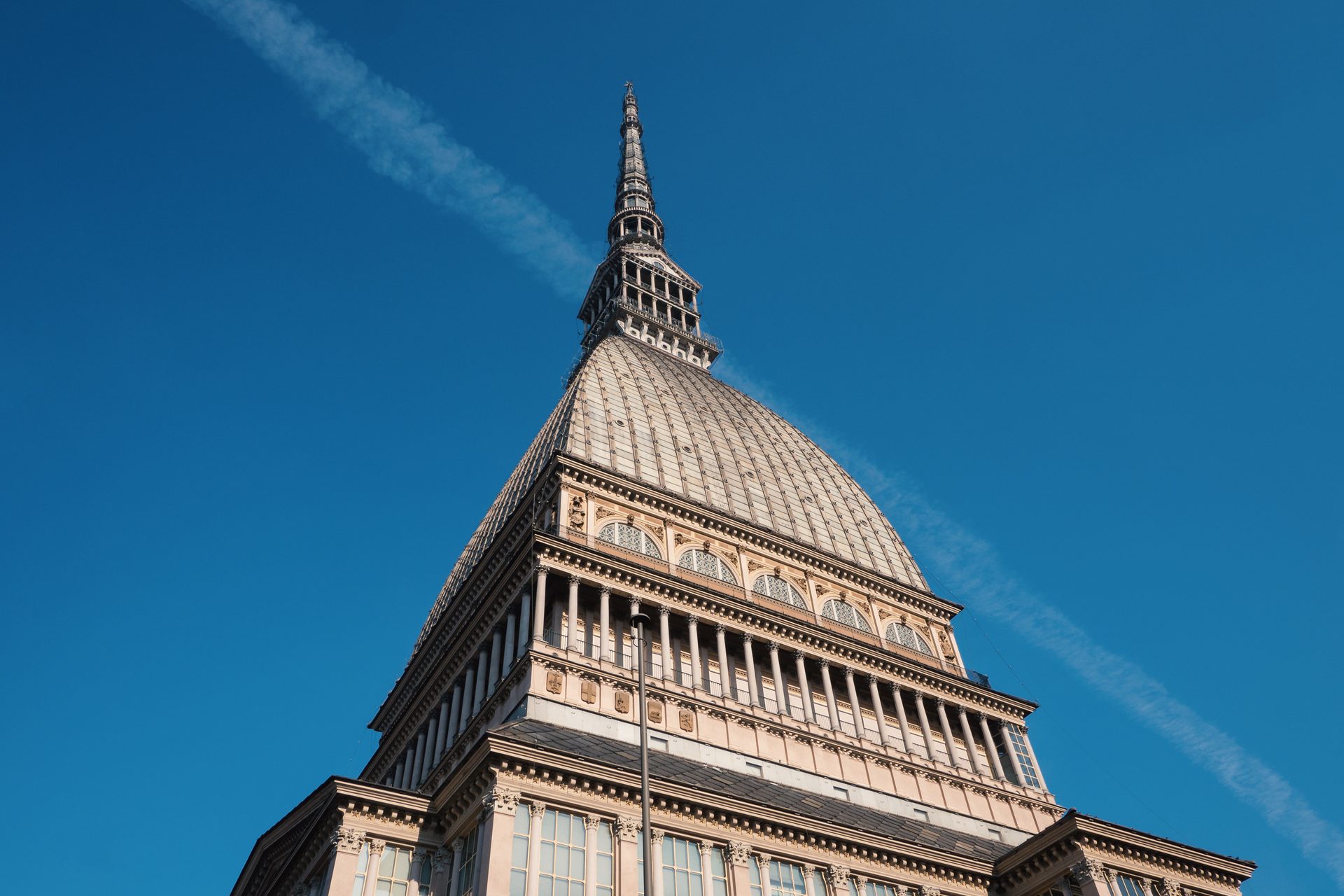
Unicollege Turin does not attempt to place an entire university world behind a set of gates. Its model is deliberately urban. Inside Via Saluzzo 60 are classrooms, language and IT laboratories, study facilities, academic services, and a close university community.
Outside are San Salvario, Valentino Park, the Savoy capital, the institutions of modern Italy, a UNESCO design city, an international business environment, and a continuing culture of reinvention. The distinction between the two quickly becomes difficult to draw. The City College provides the academic base. Turin provides the larger laboratory.